
Is it tongue-tie or a feeding problem?
Feeding difficulty can come from tongue-tie, but symptoms during feeds do not automatically mean there is a tongue tie or that that is the problem. Tongue-tie is a restriction in how the tongue moves. Feeding problems describe what happens at the breast or bottle. I separate the two by examining tongue movement and the whole feeding picture together.
NHS Best Start in Life describes tongue-tie as a shorter than normal frenulum, the strip of tissue that attaches the tongue to the floor of the mouth. That definition matters because tongue-tie is about anatomy and movement, not a feeding symptom by itself.
Some babies with tongue-tie feed well and do not need treatment. Other babies have pain, clicking, long feeds or weight concerns, and the cause is less clear from a symptom list. Feeding concerns deserve a proper look, especially when feeds are difficult, painful or taking over your day.
I look at the question in three parts: tongue movement signs, feeding signs, then the assessment that joins them up.

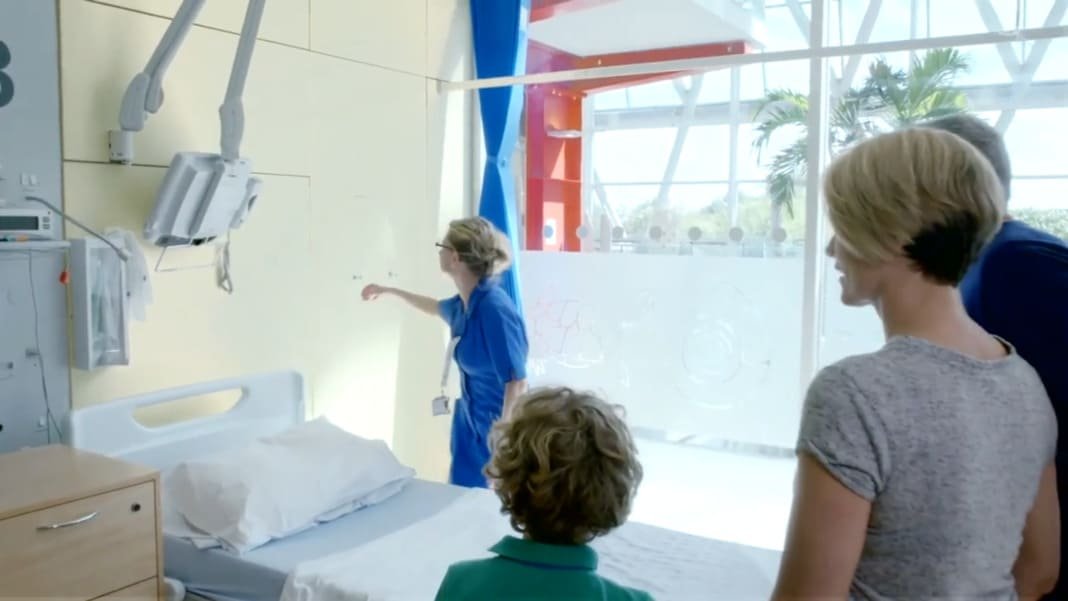
Child-friendly preparation space at Evelina London Children’s Hospital.
Separate tongue signs from feeding signs
The first job is to separate what you can see in the tongue from what you notice during feeding. Both matter, but they do different jobs in the assessment.
| Tongue movement signs | Feeding signs |
|---|---|
| The tongue does not lift well | Difficulty attaching to the breast |
| The tongue does not move side to side well | Difficulty staying attached |
| The baby has difficulty sticking the tongue out | Long feeds with short breaks before feeding again |
| The tongue looks heart-shaped when it comes forward | Clicking during feeds |
| The frenulum looks tight or short | Unsettled behaviour after feeds or slower weight gain |
At Miss Jana Torres-Grau, I look at the tongue and the feed together because the table has a trap in it. Tongue signs point to restriction. Feeding signs show that feeding is not working well. The feeding signs do not identify the cause on their own.
Clicking is a good example. It is one of the signs parents notice first, and it belongs in the assessment. It can also point to a need for help with positioning and attachment. The same applies to poor latch or long feeds. Those signs are real, but they need context before anyone labels the problem as tongue-tie.
Bottle-feeding parents deserve the same careful approach. A baby who struggles with the bottle still needs a feeding history, a mouth examination and a clear explanation of what the tongue is doing. NICE guidance is centred on breastfeeding, so I avoid stretching that guidance beyond its scope.
If you have questions about your child’s care, you can arrange a consultation with Miss Jana Torres-Grau. Arrange a consultation
Treat nipple pain as evidence, not proof
Painful breastfeeding needs attention. Nipple pain, nipple trauma, shallow latch and repeated failed attachment all give useful information, but pain alone does not diagnose symptomatic tongue-tie.
The American Academy of Pediatrics 2024 clinical report defines symptomatic ankyloglossia, the medical term for tongue-tie, as a restrictive frenulum that causes breastfeeding problems that do not improve with lactation support. That wording is careful for a reason. The baby needs an anatomical restriction and a feeding problem that persists despite skilled help.
A quick look under the tongue misses too much. I want to know how your baby attaches, whether milk transfer is effective, how long feeds take and whether your baby tires or slips off. I also ask what support you have already had, because a good feeding assessment can change the answer.
Pain matters, and I never dismiss it. The clinical question is whether the pain is caused by tongue restriction, by attachment, by milk transfer problems, or by another feeding issue that needs a different route.
A few words from Miss Jana Torres-Grau
If a baby has clicking, pain or long feeds, write down what happens across several feeds before the consultation. Details about timing, attachment and milk transfer help me build the full picture quickly.
Check what a proper assessment includes
A proper baby tongue-tie assessment checks the mouth, tongue movement and feeding history before any treatment decision is made. A quick glance at the frenulum is too thin a basis for surgery.
The point of a consultation with me, Miss Torres-Grau, is to give you a clear explanation of what I find and what it means for feeding. In a tongue-tie assessment in London, I usually focus on:
- Feeding history. I ask what happens during feeds, including pain, long feeding times, slipping off and difficulty staying attached.
- Oral examination. I examine the baby’s mouth, including the frenulum, palate and tongue movement.
- Tongue function, not appearance alone. A visible frenulum matters only when it restricts how the tongue works.
- Milk transfer and latch. I look at the feeding picture, not a single symptom in isolation.
- Weight gain. Where weight is part of the concern, it belongs in the assessment alongside the feed itself.
Professional guidance also mentions structured tools, such as breastfeeding assessment tools and tongue function scores. These can help organise the examination, but they do not replace clinical judgement. A score cannot sit with you, hear the feeding history and examine your baby.
Skilled breastfeeding support is part of managing breastfeeding difficulty. If the findings point to positioning, attachment or milk transfer support first, I say that plainly. If the findings support tongue-tie division, I explain why.

Inside Evelina London Hospital
Consider division only after the full picture
Tongue-tie division is considered when the examination shows a restrictive frenulum and the feeding picture supports treatment. Frenulotomy means tongue-tie division, where the tight tissue under the tongue is released by a properly trained clinician.
NICE HealthTech guidance 95 supports tongue-tie division for breastfeeding where normal consent and clinical governance arrangements are in place, and says it should be performed only by registered healthcare professionals who are properly trained. That matters because this is a decision about a baby, not a shortcut from symptom to treatment.
Surgery is one possible answer after assessment. Feeding support, further review or no surgery can also be the right answer. I explain the reasoning so you are not left trying to work it out from a checklist.
Laser is sometimes discussed online as if it settles the decision. The American Academy of Pediatrics reports no comparative data supporting routine laser use over clipping for frenotomy in infants younger than 6 months. The choice of method should never distract from the first question: does your baby have a restriction that is actually affecting feeding?
A few words from Miss Jana Torres-Grau
If breastfeeding support has already been tried, bring any notes or advice you were given. That helps me see whether the feeding problem improved with support or needs a different next step.
Drop the visible-tie-means-cut assumption
The common misconception is that a visible frenulum means a baby needs tongue-tie division. A visible frenulum is information, not a treatment plan.There are also different levels of tightness of the frenulum and the type will also guide the type of advice
A restriction matters when it limits tongue function and fits the feeding findings. A feeding problem matters because your baby is struggling, but the cause still needs to be checked. Those two parts have to meet before surgery becomes the right discussion.
A symptom checklist can start the question, but it cannot answer it. The safer assumption is that your baby needs a careful assessment, because a visible tie, a click, or painful feeding can lead to different answers once the mouth and the feed are examined together.

A photo of a consultation with Jana Torres-Grau – Illustrative Image
Every child is different, so a personal assessment is the best next step. Ask a question
Questions I get asked about tongue-tie and feeding
Can a bottle-fed baby have tongue-tie problems?
Yes, bottle-fed babies can have feeding concerns linked to tongue movement, but the assessment still needs to look at the whole feed. NICE guidance is scoped to breastfeeding, so bottle-feeding concerns need careful clinical judgement rather than borrowed conclusions.
Is clicking during feeds always tongue-tie?
No. Clicking can happen with tongue-tie, but it can also mean your baby needs help with positioning and attachment. I treat clicking as a sign to assess, not as a diagnosis.
Does good weight gain rule out a feeding concern?
No. Weight gain is one part of the picture, but pain, very long feeds, slipping off or poor attachment still deserve assessment. A baby can gain weight and still have a feeding issue that needs help.
What if feeding does not improve after tongue-tie division?
Feeding can remain difficult if tongue-tie was not the only issue. Feeding support, latch review and further clinical review may still be needed after division.
Is laser better than scissors for baby tongue-tie release?
Current professional guidance does not support choosing laser as the routine better option for young babies. The more important decision is whether division is suitable at all after a full assessment.
This is general information, not medical advice.
