What do webbed or joined fingers mean for your child?
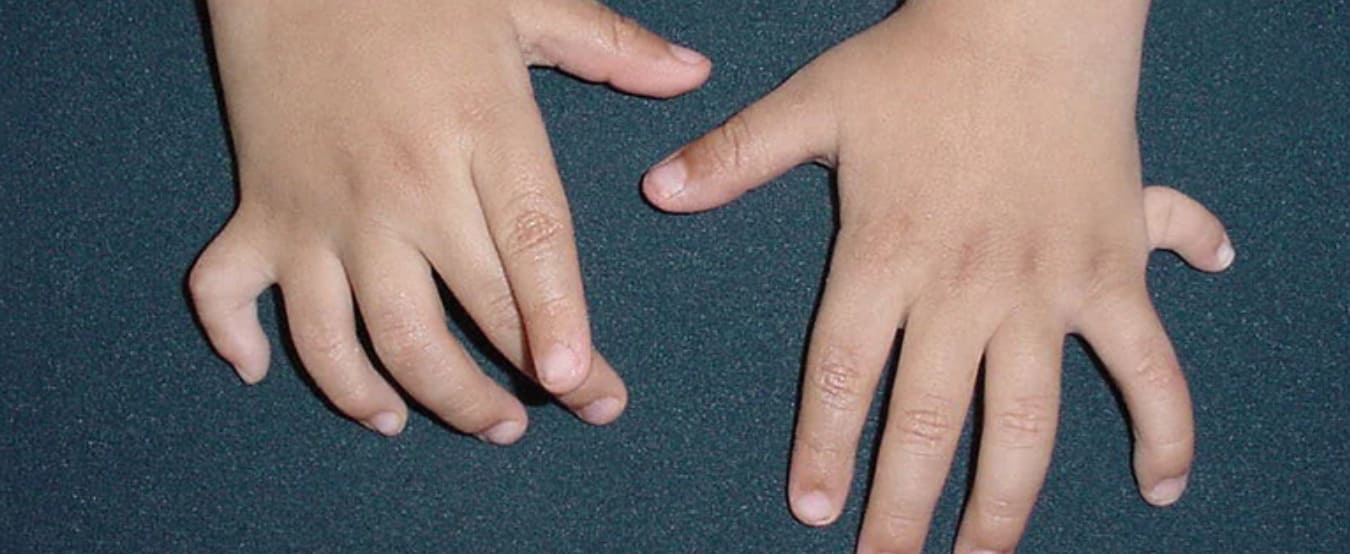
Webbed or joined fingers are called syndactyly. It means two or more fingers are joined by skin, deeper tissue, bone, or a combination. Surgery is the only way to separate joined digits, but the decision depends on which fingers are joined, hand use, and examination findings.
I explain below what syndactyly is, the main types, how assessment works, when surgery may be discussed, what release surgery involves, and what recovery means for parents.
By Miss Jana Torres-Grau, Consultant Paediatric Plastic Surgeon, Fellowship of the Royal College of Surgeons in Plastic Surgery, General Medical Council Specialist Register.
Published: 31 July 2026. Last reviewed: 31 July 2026.
Children’s Laser Treatment by JTG
What webbed or joined fingers mean
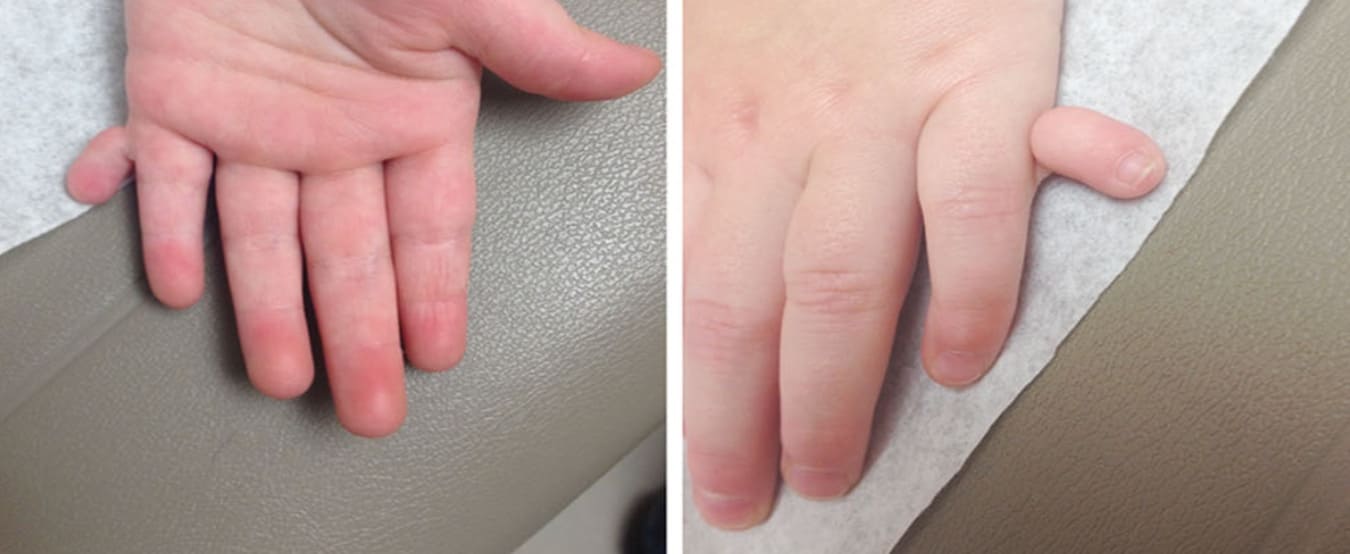
Syndactyly is the medical word for joined digits. In a baby’s hand, you may see skin joining two fingers, but the join can involve more than skin. It can include deeper soft tissue, finger bones, or both.
Joined fingers in children can affect one hand or both hands. The join can run along part of the finger or along the full length. The space between two fingers is called the web space, and one aim of assessment is to work out how that space has formed and how the fingers move.
Parents sometimes focus on how the hand looks in a photograph. I focus first on what is joined and what that could mean for grip, finger movement and later hand use. Toes can also be joined, but fingers are judged more through function because children rely on their hands for fine movement as they grow.
An examination is the point where general information becomes advice about an individual child.
If your child has a hand or finger difference, a specialist can explain the options. Arrange a consultation
The type of syndactyly changes the plan
The type of syndactyly affects how surgery is discussed and planned. The labels are useful because they describe what is joined and how far the join extends.
A 2023 peer-reviewed review describes the main terms in this way:
| Term | What it means | Why it matters |
|---|---|---|
| Simple syndactyly | Skin and soft tissue join the fingers. | Planning focuses on creating a safe new web space and covering the separated areas. |
| Complex syndactyly | The phalanges, meaning the finger bones, are involved. | Bone involvement changes the assessment and surgical planning. |
| Complete syndactyly | The join extends along the whole digit, including the nail fold. | The full length of the finger has to be considered. |
| Incomplete syndactyly | The join affects only part of the digit. | The depth and level of the webbing guide the plan. |
Parents do not need to classify the hand at home. During assessment, I look at which fingers are joined, how far the join extends and how the fingers move. Imaging may be used where it helps plan the surgical approach, but it is not something to assume before the hand has been examined.
A few words from Miss Jana Torres-Grau
A consultation should cover which fingers are joined, how far the join extends and whether a skin graft may be needed. Those details shape the surgical plan more than the appearance alone.
Why the surgery decision depends on the whole hand
The visible join is only one part of the decision. I look at how the fingers sit together, how the hand is likely to work as the child grows, and whether surgery would improve use of the hand.
For fingers, the aim is usually hand function, with appearance sometimes part of the discussion. Joined toes are different because correction is more often appearance-led. That difference matters because it changes how the benefits and trade-offs are discussed with a family.
Timing is individual. Mahindroo and Tabaie’s 2023 review states that surgical repair is typically done between six and 18 months of age, depending on the type. In practice, timing depends on the type of syndactyly, which digits are joined, hand function and the surgical plan.
Several joined fingers can make planning less straightforward. Surgeons can operate on one side of a digit at a time because the blood supply to the digit has to be protected. If more than one web space is involved, a child may need more than one procedure.
The operation itself
Syndactyly release is carried out under general anaesthetic. A general anaesthetic is medicine that makes a child sleep and stops pain during the procedure.
The surgeon creates a new web space using skin from the sides of the fingers. These are called skin flaps. In many operations, a skin graft is also needed to cover areas where there is not enough local skin. The graft is often taken from another part of the body, such as the groin crease.
Evelina London Children’s Hospital patient information describes syndactyly release as taking about three hours. The exact plan still comes from the child’s hand, because skin, movement and bone involvement vary from one child to another.
The risks to discuss calmly
Every operation carries risk, and syndactyly release is no exception. The risks I discuss include bleeding, infection and scarring. Specific risks include skin graft failure, skin loss, uneven shape or size of the digits, nerve injury, blood supply problems and the original problem returning.
Surgical consent is where these risks are discussed in relation to the child in front of me. Good planning means protecting blood supply, using tissue carefully and arranging follow-up so healing is checked properly.
The recovery period needs practical planning
After surgery, recovery has a practical rhythm for parents. The hand is protected in a bandage, and the early weeks are about keeping that dressing safe while the skin heals.
Parents usually need to plan for:
- Keeping the dressing clean and dry until the team advises otherwise.
- Dressing clinic visits, where the wound and grafted skin are checked.
- Pain relief as advised by the team looking after the child.
- Watching for problems such as bleeding, swelling, dressing trouble or signs of infection.
Evelina patient information says wounds usually heal completely within four to five weeks, with nurse guidance. Follow-up then checks how the hand is settling and whether any further care is needed.
A few words from Miss Jana Torres-Grau
If more than one web space is involved, ask how the blood supply will be protected during surgery. That point affects whether treatment is done in one stage or more than one procedure.
The right assessment gives the clearest answer
A useful assessment does more than name syndactyly. It connects the anatomy of the hand with finger movement, likely growth, timing and the family’s questions.
I am Miss Jana Torres-Grau, a Consultant Paediatric Plastic Surgeon on the General Medical Council Specialist Register for plastic surgery and a member of the British Association of Plastic, Reconstructive and Aesthetic Surgeons. At Evelina London Children’s Hospital, I assess each child myself and carry out surgery myself where surgery is the right step. Families see the same surgeon from the first consultation to the final follow-up.
For parents in London, across the UK or overseas, the aim of a child hand differences consultation is to leave with a clear view of what is joined, what it means for hand use, and what options are reasonable. Over the next 12 to 24 months, growth and developing hand function matter more than the first visible appearance alone, so decisions made now should support how the child uses the hand as they grow.

Assessment room at Evelina London Children’s Hospital.
Early advice can help you plan the right care for your child. Ask a question
Common questions about webbed or joined fingers
What causes webbed fingers in babies?
Syndactyly happens when two or more fingers do not fully separate during early hand development. It can happen by chance, be inherited, or in rare cases form part of a syndrome, which means a group of signs or features.
Are webbed fingers genetic?
Syndactyly can be inherited in some families, but it can also happen with no known family history. A consultation looks at the child’s hand and any relevant background before giving advice about what it may mean.
Will my child need a skin graft for syndactyly surgery?
A skin graft is needed in many syndactyly release procedures, but not every operation is identical. The need for a graft depends on how much skin is available after the fingers are separated and how the new web space is made.
Can syndactyly come back after surgery?
The original problem returning is a recognised risk after syndactyly release. If that happens, a child may need another procedure, depending on the hand, the degree of recurrence and how the fingers are working.
Are webbed toes treated the same as webbed fingers?
Joined toes are assessed differently from joined fingers. Surgery for joined fingers is intended to make hand use easier, while surgery for joined toes is more often mainly about appearance.
This is general information, not medical advice.
