
How should you care for your child’s scar after minor surgery?
Start by protecting the wound before you think about scar treatment. Keep the area clean, dry and covered as instructed, leave glue or strips alone, and wait until the skin has fully healed before massage or silicone. Once healed, protect the scar from sun and ask for medical advice if changes worry you.
By and reviewed by Miss Jana Torres-Grau, Consultant Paediatric Plastic Surgeon, FRCS (Plast), GMC Specialist Register.
Caring for your child’s scar after minor surgery works best in stages. First comes wound care. Scar care starts later, once the skin has closed and the surgical team has said it is safe to begin.
The wound comes before the scar
During the first stage after minor surgery, your child has a healing wound rather than a scar ready for treatment. Dressings, stitches, wound glue and steri-strips all have a job to do while the skin edges are closing.
Follow the instructions you were given after the operation. Those instructions come first because they are based on your child’s procedure, the site of the wound and how the wound was closed.
Wound glue gradually peels away by itself. Do not pick or scratch it. Steri-strips should also be left alone unless your surgical team has told you something different. Early care is usually about keeping the area clean, keeping it dry when advised, and stopping little fingers from interfering with it.
Scar massage, silicone gel and silicone sheets wait until the wound has healed. Putting scar products onto open or fragile skin can irritate the area and blur the early healing picture.
If you would like to discuss scar treatment for your child, a consultation is the place to start. Arrange a consultation
The scar care starts on healed skin
Healed skin means the wound has closed, there is no open area, and the surface is ready to be handled gently. If you are unsure whether that point has been reached, ask the surgical team before starting massage or silicone.
Scar care after minor surgery can support comfort, skin softness and movement. It cannot remove a scar, and no cream should be used as though it can stop scarring from happening.
| Scar care option | When it belongs | What parents should know |
|---|---|---|
| Scar massage | Once the wound has fully healed | Massage is done gently on closed skin, often with a simple water-based cream to reduce friction. |
| Silicone gel | On healed skin only | Silicone gel is a recognised scar treatment option, but it should never go on an open wound. |
| Silicone sheets | On clean, dry, healed skin | Sheets need correct use and good skin tolerance, so stop and ask for advice if the skin becomes sore. |
| Moisturising cream | Once the skin surface is closed | A plain cream can help massage move over the scar, but it will not make a scar vanish. |
A fine-line surgical scar can look slightly red and raised at first, then flatten and fade over time. On brown or black skin, colour change can look different, so the shape, thickness, comfort and movement of the scar matter too.
A few words from Miss Jana Torres-Grau
Keep wound care and scar care separate. Massage and silicone belong on healed skin only, after the wound has fully closed.
The sun protection matters early
A nursery day, school playtime, sport or travel can all expose a new scar to sun. New scar tissue is more sensitive to sunburn than mature skin, so sun protection deserves a place in everyday scar care.
The NHS advises keeping a scar covered in the sun for at least 1 year and using sunscreen with SPF 30 or more. Covering the scar with clothing is often the simplest option, especially for children who rub cream off or spend long periods outside.
Families in London and across the UK still need to think about sun care, and the same applies when travelling overseas. Sun protection will not make a scar invisible, but it is one scar-care habit parents can control reliably.

The changes that need review
When a wound is still healing, infection signs matter more than scar appearance. A wound that is becoming more painful, hot, swollen or wet needs medical advice before you focus on scar products.
Watch for these changes and ask the surgical team for advice if they appear:
- Redness around the wound, keeping in mind that redness can be harder to see on brown or black skin.
- Oozing blood, or yellow or green discharge.
- Increased pain or tenderness.
- Heat, swelling or firmness around the wound.
- An unpleasant smell from the wound area.
- A temperature or your child seeming feverish.
If you cannot reach the surgical team and you are worried about infection, NHS 111 is a suitable route for urgent advice.
Once the wound has healed, some scars become raised, thick, itchy or sore. A hypertrophic scar is raised and firm but stays within the original wound area. A keloid scar grows beyond the original wound. Neither label should be guessed at home, because the examination matters.
Tightness also deserves attention, especially near a joint or an area that moves a lot. I look at the scar itself, the surrounding skin and how the area moves, because scar care for children is about comfort and function as well as appearance.
A few words from Miss Jana Torres-Grau
Cover a new scar in the sun for the first year where practical, because sun exposure can affect how the scar settles as it matures.
The safest scar care is staged
Parents often feel they need to act quickly after an operation, but scar care works better when each stage is kept separate. Early care protects the wound. Later care supports healed skin. Review is for symptoms, thickening, tightness or any change that is unclear.
In my scar treatment work at Evelina London Children’s Hospital, I assess the child, the scar and the operation that led to it. I also tell families when a scar is healing as expected and when treatment options such as silicone, laser treatment or reconstructive surgery may be worth discussing.
The one thing to prioritise is timing. Match the care to the stage of healing, because the safest scar treatment is the one started on skin that is ready for it.
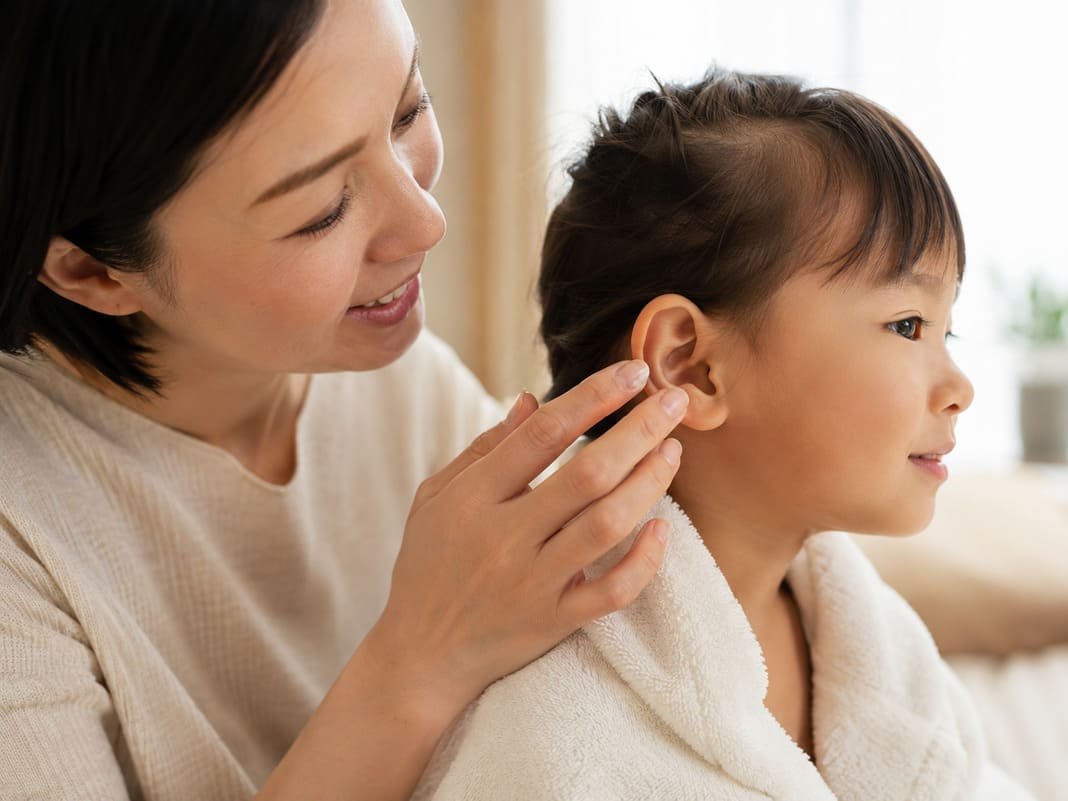
Scars behave differently in children, so a personal assessment is helpful. Ask about an appointment
Questions parents ask me about child scar care
When can I start massaging my child’s scar after surgery?
Start scar massage only once the wound has fully healed and the skin is closed. If you are unsure, wait and ask the surgical team, because massage belongs on healed skin rather than an open or fragile wound.
Can I put silicone gel or silicone sheets on my child’s scar?
Silicone gel and silicone sheets can be used on healed skin, but they should not be used on open wounds. Stop and ask for advice if the skin becomes sore, wet, broken or irritated.
How long does a child’s surgical scar take to fade?
The NHS says scars can take up to 2 years or more to fade. A scar may change in colour, thickness and feel during that time, and an examination gives a clearer view if the scar is uncomfortable or changing.
Should I cover my child’s scar in the sun?
Yes, cover a new scar in the sun where practical and use SPF 30 or higher sunscreen when it is exposed. Sun care is especially useful in the first year after surgery.
Can a child’s scar disappear completely?
A scar is a mark left after a wound has healed, and scars cannot be removed completely. Treatment can sometimes improve comfort, thickness, tightness or appearance, but no treatment should be presented as making a scar disappear.
This is general information, not medical advice.
