Can scar revision improve your child’s scar?
Usually it can improve it, and it cannot erase it. Scar revision removes or repositions scar tissue and closes the wound again, so your child ends up with a new scar rather than no scar. The aim is one that is less obvious, less tight, or no longer in the way of how they move.
A scar that is still settling may do better with time and non-surgical care than with early surgery. A scar that is tight, painful, itchy or restricting movement needs assessing rather than waiting out, and restricted movement in particular can justify operating before a scar has fully matured.
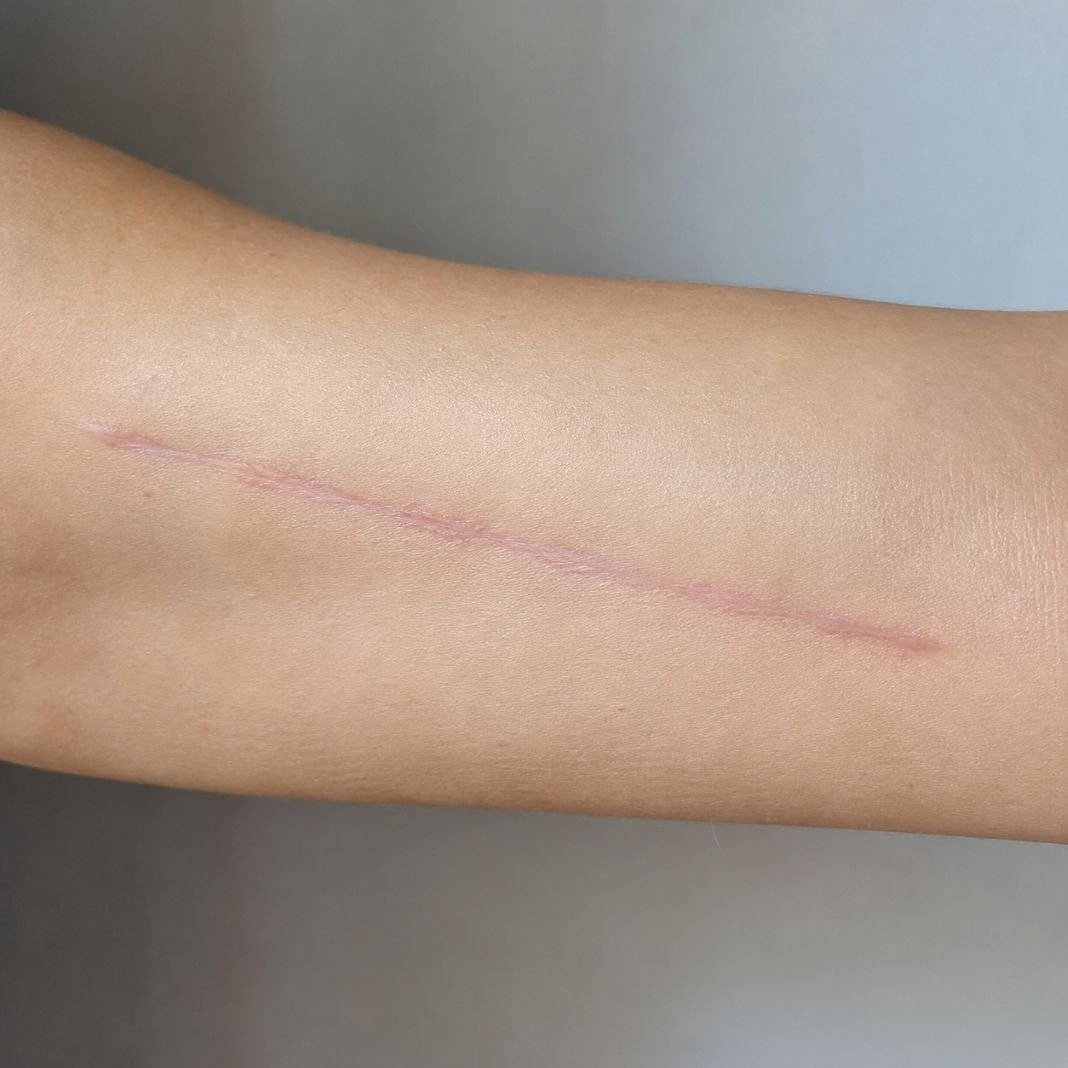
Revision swaps one scar for another, better placed
The surgeon removes, releases or repositions the scar tissue, then closes the new wound with stitches. That new wound heals into a new scar, and the intention is that it sits better, pulls less, or is simply less noticeable than the one it replaced.
Where a scar sits near a joint and is limiting movement, releasing it is the point of the operation rather than a side benefit. Some children need a skin graft as part of that, using healthy skin from elsewhere on the body to cover the treated area.
Realistic improvement means less tightness, better movement, or a scar that sits in a more forgiving position. It does not mean unmarked skin, and any discussion that implies otherwise is worth treating carefully.
If you would like to discuss scar treatment for your child, a consultation is the place to start. Arrange a consultation
Timing follows the scar, not the calendar
“Wait a year” is the answer parents are usually given, and it is roughly right for the wrong reason. What matters is what the scar is doing, are there any symptoms and are you looking after the scar to help it mature.
Scars take up to about a year to 18 months to mature. A 2021 review by Skochdopole and colleagues found that operating before that point carries a higher risk of poor healing, renewed scarring or a worse result than waiting would have given. That is the argument for patience, and it is a good one.
It stops applying when the scar is causing a problem now. A scar tightening across a joint while a child grows is not going to improve by being left, and earlier revision, from around six months in children, may be appropriate where function is affected.
The table below sets out the two situations, which look similar to a parent and are quite different clinically.
| A scar that is still changing | A scar that needs assessment now |
|---|---|
| It is settling, and the direction of travel is good | It feels tight, hurts, itches, or restricts how your child moves |
| The priority is to let it heal, with non-surgical care where it suits | The priority is to work out what it is doing to function and growth |
| Further maturation is likely to improve the result of any later surgery | Earlier treatment may recover movement that tightening has taken away |
Growth complicates it further, because a scar that is comfortable now can tighten as a child grows, particularly across a joint. That is one of the reasons review matters more than a fixed date.
Miss Torres-Grau assesses children’s scars at Evelina London Children’s Hospital and will say plainly when continued healing is the better option.
A few words from Miss Jana Torres-Grau
Photograph the scar every couple of months and note anything about tightness, pain, itching or movement. Scars change slowly enough that a parent seeing it daily is the worst-placed person to judge whether it is settling.
Two raised scars can need opposite treatment
A parent looking at two raised scars sees the same thing. What matters is the pattern underneath, which is why a scar type cannot be settled from a photograph.
Hypertrophic or keloid
A hypertrophic scar is raised but stays inside the boundary of the original wound. A keloid grows beyond it, into skin that was never injured.
That difference changes the treatment. Keloids often need combined treatment rather than surgery alone, and steroid injections after surgery may reduce the chance of the growth returning. Treating a keloid as an ordinary raised scar is one of the more common ways these decisions go wrong.
When tightness is the problem
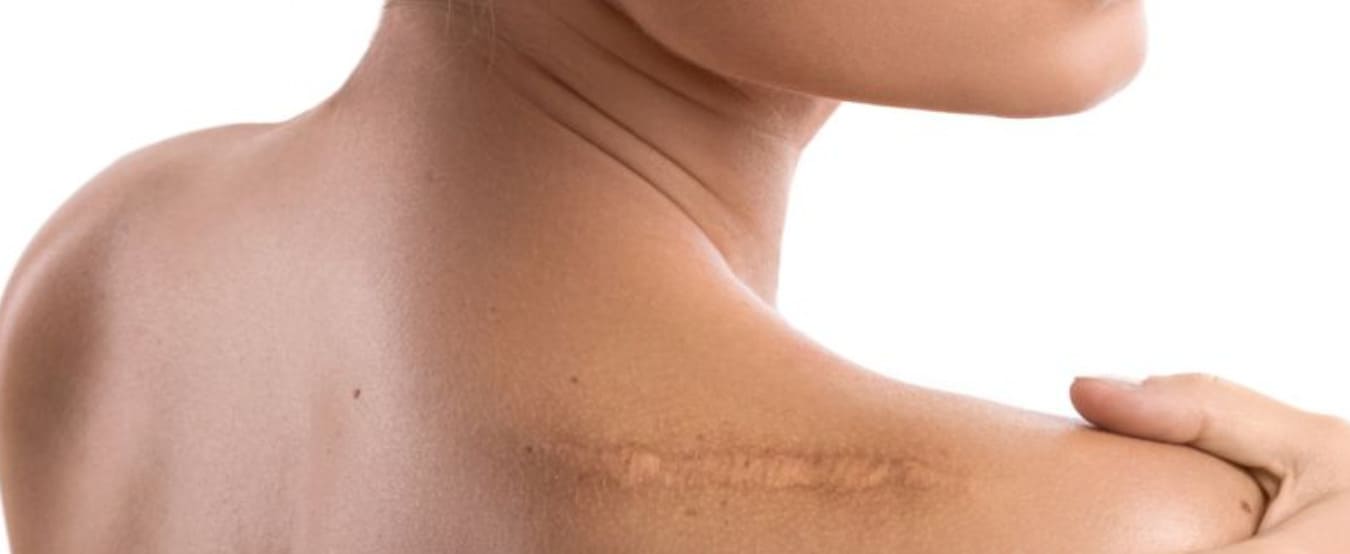
A scar contracture is scar tissue that has tightened and is pulling on the skin around it. Near a joint, that can limit how far a child can stretch, bend or reach.
Restricted movement moves the scar from an appearance question to a functional one, and it changes the priority accordingly. Your child’s own view of treatment belongs in that conversation too, increasingly so as they get older.

Nurse caring for child at Evelina London Children’s Hospital
Surgery is one option inside a longer plan
The choice is not between doing nothing and having an operation. Active scar care happens during maturation, and surgery becomes an option when a scar stays troublesome or when function needs improving.
Non-surgical care can include massage and moisturiser, scar tape, silicone, pressure treatment and sun protection. Laser treatment, steroid injections, are further options in selected cases. Which of them suits depends on the scar’s pattern, position and behaviour rather than on a standard sequence.
Scar revision in children is done under general anaesthesia, so your child is asleep throughout. The surgeon removes or repositions the scar tissue, closes the wound with stitches, and adds a skin graft where the area needs more skin than it has.
The risks are real and worth hearing before you decide: bleeding, infection, a seroma meaning a collection of fluid under the skin, altered skin colour, numbness or pain, improvement that falls short of what you hoped for, and rarely a larger scar than the one you started with.
Massage afterwards begins only when the surgical team confirms the wound is ready. Evelina London Children’s Hospital advises that this is often around a month after the operation, though your team will give timing based on how your child has healed.
A few words from Miss Jana Torres-Grau
Ask specifically what another six months of healing is likely to achieve. That answer, more than any other, tells you whether waiting is a plan or a delay.
The question worth asking at the assessment
Not whether surgery is possible, since it usually is. Ask what this particular scar is doing now, will massage help, what another six months of healing is likely to achieve, and what the operation would realistically change.
Where the honest answer is that time will do more than surgery would, waiting is a treatment decision rather than a deferral. Where a scar is tightening across a joint on a growing child, waiting will generally not improve things.. The expected benefit has to justify the operation, and a good assessment will tell you when it does not.
This article gives general information. An assessment gives a proper view of an individual child’s scar.
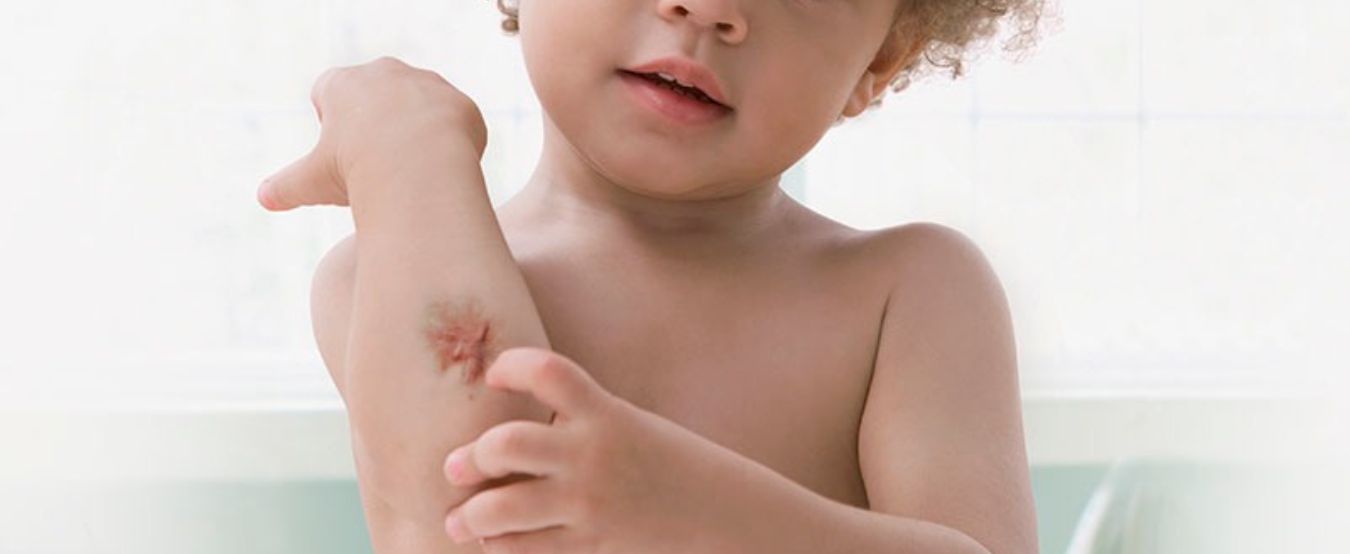
Scars behave differently in children, so a personal assessment is helpful. Ask about an appointment
Common questions about scar revision for children
Can scar revision remove a scar completely?
No. It creates a new scar in place of the old one, with the aim of something less obvious, less tight or better positioned. Anyone offering removal is describing something surgery cannot do and is not being fully honest.
Should we wait a year before treating my child’s scar?
Often, but not always. Scars take up to about a year to mature, and operating early carries a higher risk of a poor result. A scar causing pain, tightness or restricted movement needs assessing now rather than at the twelve-month mark.
Does a raised scar need surgery or silicone treatment?
It depends which kind of raised scar it is. Hypertrophic scars and keloids behave differently and respond to different treatment, and telling them apart needs an examination rather than a comparison with photographs online.
Can scar revision help a scar that restricts movement?
Yes, this is one of its clearest uses. Releasing tight scar tissue near a joint can recover movement, and where assessment shows a clear functional gain, that is a strong reason to operate.
Can a child’s scar become worse after revision surgery?
It can. Improvement may fall short of what you expected, and rarely the new scar is larger than the original. That possibility is exactly why the expected benefit has to be clear before anyone agrees to surgery.
This is general information, not medical advice.
Reviewed by Miss Jana Torres-Grau, Consultant Paediatric Plastic Surgeon, FRCS (Plast), General Medical Council Specialist Register.
