
Can your child have minor surgery under local anaesthetic?
Yes, sometimes. Some minor procedures can be performed under local anaesthetic, which numbs the area while the child remains awake. For other procedures, a general anaesthetic may be more appropriate, particularly where the procedure is longer, involves a larger area or requires the child to remain completely still for precision and safety.
Age is one of several factors considered when deciding which approach is most suitable, and there is no fixed age at which one option becomes appropriate.
The anaesthetic plan is tailored to the individual child and the planned procedure. The options will be discussed during the consultation, with the attending anaesthetist confirming the final approach on the day.
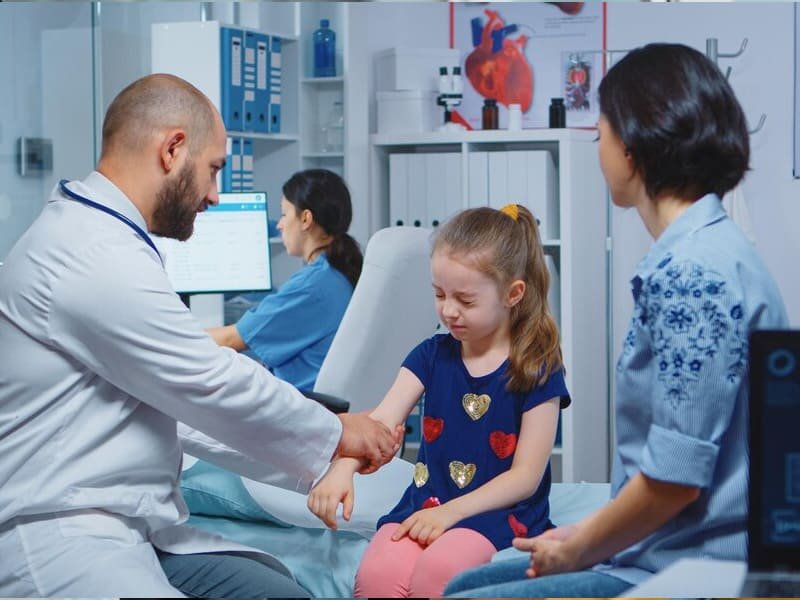
Local and general anaesthetic affect your child differently
Local anaesthetic numbs a planned area, and your child stays awake throughout. It can be given as a cream, gel, or as an injection into the tissue.
General anaesthetic puts your child into a deep sleep-like state and prevents pain during the procedure. Anaesthetic medicines may start through a mask with anaesthetic gas or through a cannula, which is a small plastic tube placed into a vein.
| Local anaesthetic | General anaesthetic |
|---|---|
| Your child remains awake. | Your child is fully asleep for the procedure. |
| Cream or an injection numbs the treatment area. | Medicine starts through a mask or cannula. |
| Your child may still feel pressure or movement, but no pain, in the numbed area. | The medicines prevent awareness of the operation itself. |
| The surgical team explains what your child may notice during treatment. | An anaesthetist gives the medicines and looks after your child during surgery and recovery. |
Topical numbing cream works at the skin surface. It may numb superficial skin or reduce discomfort from a cannula.
An injection can numb tissue beneath the skin where the procedure needs it. Cream and injected local anaesthetic therefore have different roles in surgical planning. The consultation explains which one your child’s procedure needs.
If you have questions about your child’s care, you can arrange a consultation with Miss Jana Torres-Grau. Arrange a consultation
Age is one part of the decision
A child’s age gives some context, but the assessment decides whether an awake procedure is practical. It considers the procedure, your child’s ability to remain still, their views and their health on the day.
The procedure sets practical limits
The size, site and extent of the procedure affect the anaesthetic discussion. A small area on an arm presents different practical requirements from a repair on a fingertip.
Precise work needs the child to stay still for the necessary period. A larger treatment area or a wider excision may also make an awake procedure less practical.
Expected duration matters too, because your child needs to stay comfortable and still from beginning to end. The consultation covers how long each stage of the procedure is expected to take.
The child’s participation matters
Your child needs enough understanding and cooperation to take part in an awake procedure. Remaining still is one part of this. Their willingness to engage with the team also matters.
Parents and carers can explain how their child manages medical appointments, injections or unfamiliar settings. That information helps the clinical team plan the discussion appropriately.
NICE, which covers England, recommends that children and young people have opportunities to express their views in ways suited to their maturity and understanding. The plan needs to fit the procedure and the child having it.
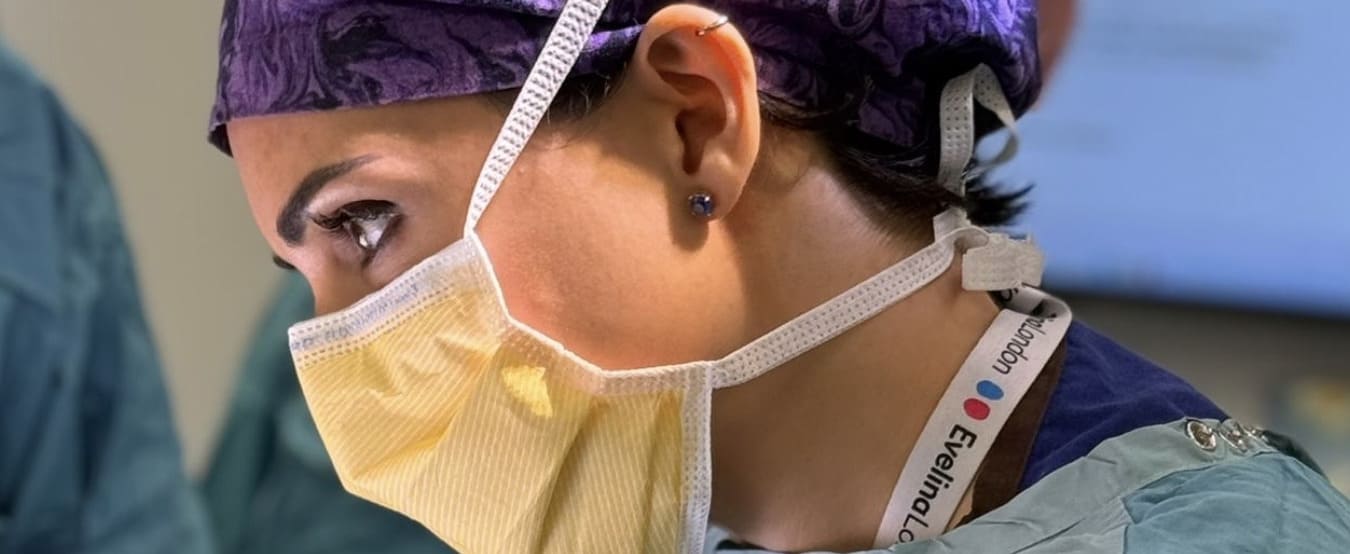
A few words from Miss Jana Torres-Grau
Write down how your child manages injections, medical appointments and unfamiliar settings before the consultation. This information helps the clinical team assess whether an awake procedure is practical.
Risks and individual assessment for each option
Each option has its own common side effects and less common risks. The assessment weighs these against the operation your child needs.
A local anaesthetic injection commonly causes brief discomfort. Minor bruising, bleeding or soreness can follow. Tingling or burning may occur as the numbness wears off, and serious allergic reactions are rare.
General anaesthesia can cause nausea, vomiting, sore throat, hunger, thirst, headache, tiredness, dizziness or temporary confusion after waking. Younger children may be upset or angry immediately afterwards. Less common complications include breathing difficulties, damage to teeth or eyes, severe allergic reactions and accidental awareness.
The Royal College of Anaesthetists states that an appropriately trained and experienced anaesthetist remains present throughout general anaesthesia. The team explains your child’s individual risks to you before treatment is agreed.
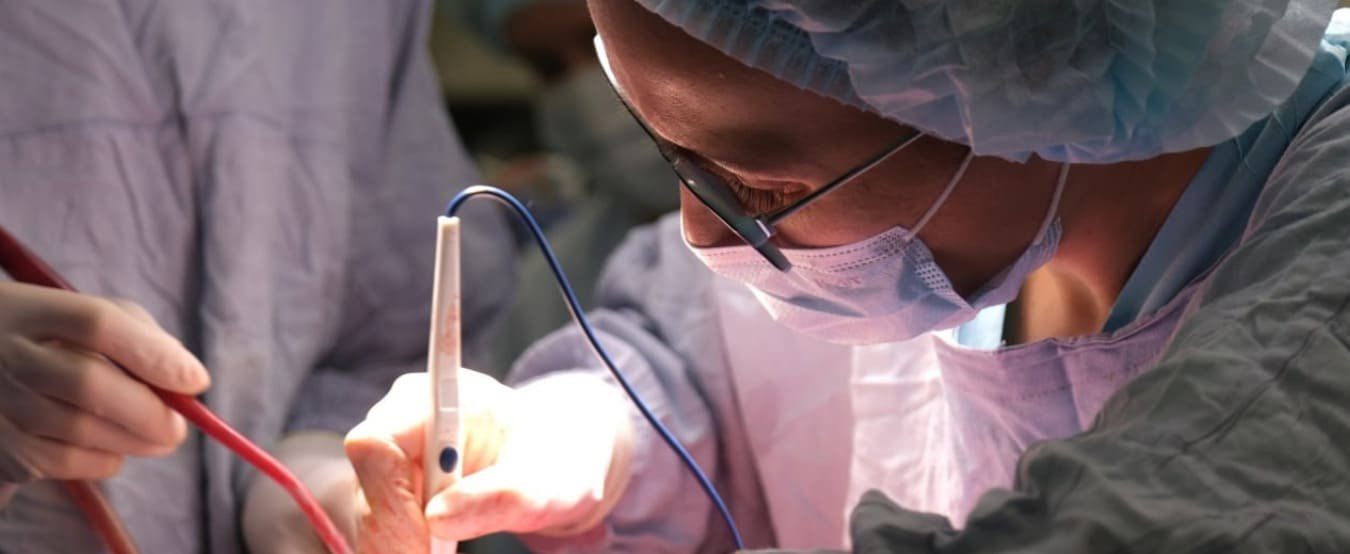
A few words from Miss Jana Torres-Grau
Ask which parts of the procedure require stillness and how long they are expected to take. The size, site and duration of treatment all contribute to the anaesthetic discussion.
Your consultation defines the planned approach
Miss Torres-Grau assesses children at Evelina London Children’s Hospital and Portland Hospital and discusses the planned procedure with you. She personally sees families from the first consultation through to final follow-up, and performs the surgery herself where surgery is agreed.
The attending anaesthetist assesses your child’s needs and safety on the day of surgery. That clinician confirms the anaesthetic plan or changes it where the assessment calls for a different approach.
The most useful question to bring to the consultation is which anaesthetic plan fits your child and this procedure.

Every child is different, so a personal assessment is the best next step. Ask a question
Common questions about child minor surgery anaesthetic
What age can a child have an operation while awake?
There is no fixed minimum age for an awake procedure. Age is considered alongside your child’s ability to remain still, the procedure planned, their understanding and the clinical assessment. It is also common to use in small babies where they can be fed and swaddled while the procedure takes place.
Does a local anaesthetic injection hurt?
A local anaesthetic injection does cause brief discomfort. Numbing cream, vibration device, cold spray and distraction can help. Injected anaesthetic numbs tissue where the procedure requires it.
Will my child see or feel what is happening under local anaesthetic?
Your child remains awake under local anaesthetic. The numbed area should not feel pain, although they may notice sensations related to the procedure. The team explains what to expect before treatment. Small babies may still cry even when the area is numb, this is due to the noise, sensation and unfamiliar environment.
Can the anaesthetic plan change on the day?
Yes. The attending anaesthetist assesses your child’s needs and safety on the day, then confirms or changes the planned anaesthetic approach.
Who has the final say about my child’s anaesthetic?
Miss Torres-Grau discusses the procedure and likely anaesthetic plan with you. The attending anaesthetist makes the final anaesthetic decision on the day according to your child’s needs and safety.
This is general information, not medical advice.
Reviewed by Miss Jana Torres-Grau, Consultant Paediatric Plastic Surgeon, FRCS (Plast), General Medical Council Specialist Register.