How safe is a general anaesthetic for a child?
Serious problems with modern anaesthetics are uncommon, and most children recover quickly and are soon back to normal. Your child’s own risk depends on their health, the procedure and the anaesthetic plan, and the anaesthetist checks each of these before surgery.
A general anaesthetic puts a child into a deep sleep-like state and prevents pain during a procedure. A preoperative assessment, meaning a health review before surgery, helps the anaesthetist set a plan around the child’s health and the procedure.
Parent accounts can raise useful practical questions. The anaesthetist’s assessment provides the information needed for a child-specific anaesthetic plan.
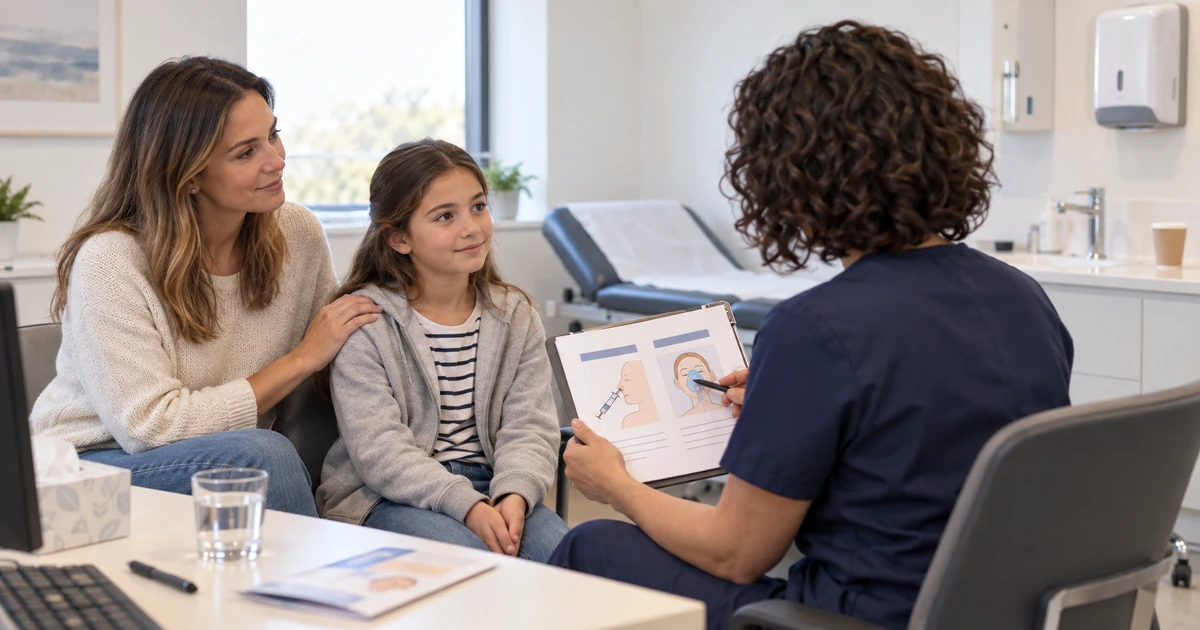
Your child’s history helps guide their assessment
Your child’s history helps guide their assessment
Parents often have questions about general anaesthesia, particularly if their child has had a previous experience. Common concerns include breathing problems, reactions to medicines, distress when waking, separation during induction and possible effects on development.
Other parents’ experiences can be helpful for understanding what anaesthetic care may look like in practice, but every child’s circumstances are different. A previous experience does not necessarily predict how another child will respond or recover.
Online discussions may also include experiences from different types of procedures, dental settings or healthcare systems outside England, so they may not reflect the care your child will receive here.
If you have questions after reading other parents’ experiences, bring them to the anaesthetist. They can explain what is relevant to your child and the planned procedure.
What about anaesthesia and brain development?
Parents sometimes ask whether having a general anaesthetic at a young age could affect brain development. This has been studied extensively, particularly in children under three.
Current evidence has not established that a single, relatively short general anaesthetic causes problems with later learning, intelligence or behaviour. In the GAS randomised controlled trial, infants who received approximately one hour of general anaesthesia had similar neurodevelopmental outcomes at five years to those who received awake-regional anaesthesia.
The Royal College of Anaesthetists states that there is currently no conclusive evidence that anaesthetic drugs have a detrimental effect on brain development in babies and young children.
Research is continuing, particularly around longer or repeated exposures. The decision to proceed with anaesthesia therefore considers the child’s age, health, the procedure required and the benefits of treatment. If you have concerns about anaesthesia and development, these can be discussed with the paediatric anaesthetist as part of the individual assessment.
Necessary procedures should not be delayed solely because of theoretical developmental concerns. The anaesthetist considers the reason for surgery, the expected anaesthetic and the child’s health, and can talk through this research with you at the assessment.
If you have questions about your child’s care, you can arrange a consultation with Miss Jana Torres-Grau. Arrange a consultation
The anaesthetic day has four separate stages
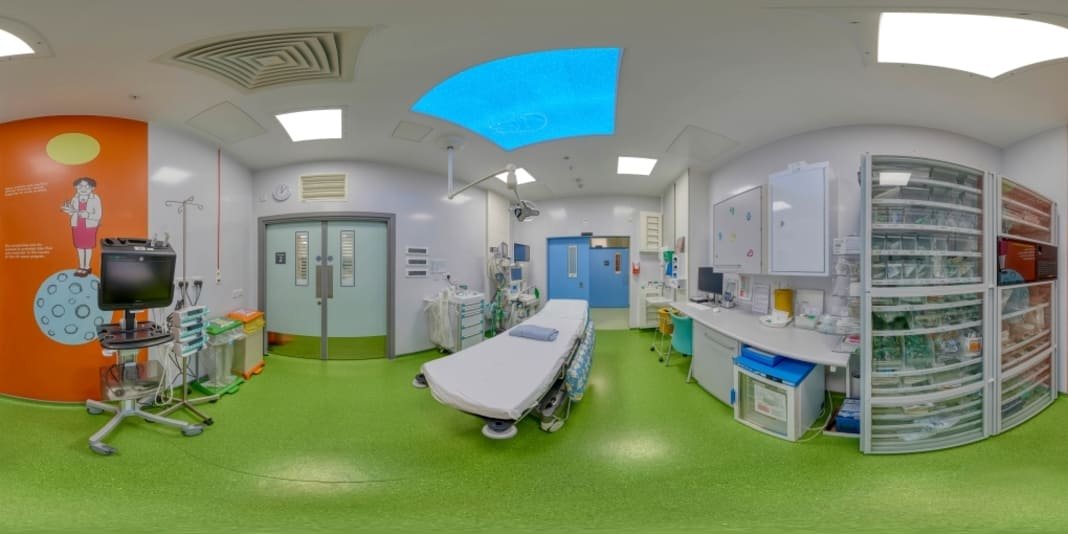
The anaesthetic room, operating theatre and recovery area serve different parts of the day. Online accounts often merge them into one experience, which can make the process sound less clear than it is.
- Assessment and preparation. Before surgery, the anaesthetist reviews relevant health information and explains the anaesthetic plan. A parent is generally welcome to stay while the anaesthetic is given, although the arrangement depends on the child, facility and circumstances.
- Going to sleep. Anaesthesia may start with gas breathed through a mask or medicine through a cannula. This is a small tube placed into a vein. The plan depends on the child and the procedure.
- During surgery. Once the child is asleep, the parent leaves the theatre area. Throughout the procedure, the anaesthetist stays with the child and monitors blood pressure, pulse, breathing and oxygen levels.
- Recovery. A recovery practitioner, meaning the clinician caring for children as they wake, monitors the child and gives pain relief or anti-sickness medicine where needed. Parents are normally called in once their child is awake and comfortable.
Sickness and a sore throat are recognised short-term effects, and they usually pass quickly. Some children, especially preschool children, wake confused, distressed or agitated. They may cry, roll around or move their arms and legs for around 30 minutes, occasionally longer. Recovery staff are experienced at settling children at this stage and check whether more pain relief will help. If your child woke up distressed after a past anaesthetic, tell the anaesthetist so they can plan for it. This waking behaviour relates to recovery from anaesthesia, not awareness during surgery or pain.
A few words from Miss Jana Torres-Grau
Write down any previous anaesthetic reactions, regular medicines, allergies and recent illnesses before the preoperative assessment.
Individual assessment defines the anaesthetic plan
The anaesthetist’s assessment
During the assessment, you can tell the anaesthetist about your child’s health conditions, regular medicines and allergies, any previous anaesthetics and any anaesthetic difficulties in close family members.
Recent coughs, colds, vomiting or diarrhoea matter because they can affect the decision to proceed. The anaesthetist uses this information to adjust the plan or, where safer, to move the procedure to a later date and advise when it can go ahead.
Share complete information before surgery, including recent illness and any previous reactions to medicines.
Surgical and anaesthetic roles
Miss Torres-Grau explains why the operation has been proposed, what it involves and how it fits with anaesthetic planning. The anaesthetist assesses anaesthetic risk, agrees the anaesthetic plan and monitors the child throughout the procedure. Families can raise questions about the operation with the surgical team and questions about the anaesthetic with the anaesthetist.
A sibling’s smooth recovery or a forum user’s difficult waking does not predict another child’s anaesthetic risk. Each child arrives with a different health history, procedure and plan, and that is what the assessment at Evelina London Children’s Hospital works through.

A few words from Miss Jana Torres-Grau
Ask who can stay with your child during induction, when you will be called into recovery and which short-term effects to expect.
Common questions about child general anaesthetics
Is a general anaesthetic safe for a toddler?
Modern anaesthetics cause serious problems only rarely. Before surgery, the anaesthetist checks the toddler’s health, the proposed procedure and the planned anaesthetic, and builds the plan around them.
Can a general anaesthetic affect my child’s brain development?
The best trials found no measurable effect on thinking and learning after one short anaesthetic in infancy. Research on other exposure patterns is still developing, and the anaesthetist can talk through what it means for your child’s planned procedure.
Why does my child cry or act strangely when they wake up?
Waking confused, distressed or agitated is a recognised part of recovering from a general anaesthetic, particularly in preschool children. Recovery staff are used to it and help settle each child, including checking whether more pain relief is needed.
Can I stay while my child is put to sleep?
Yes, in almost all cases. There are very few situations where a parent cannot stay while their child goes to sleep, and the team explains the arrangements on the day.
Is a mask or a needle better for putting a child to sleep?
The anaesthetist chooses the approach that suits the child and procedure. Anaesthesia may begin with gas through a mask or medicine through a cannula placed into a vein.
This is general information, not medical advice.
Reviewed by Miss Jana Torres-Grau, Consultant Paediatric Plastic Surgeon, FRCS (Plast), General Medical Council Specialist Register.
Every child is different, so a personal assessment is the best next step. Ask a question