
When can my child go back to sport, PE and swimming after a minor operation?
Your child can return to each activity when the operation site can tolerate its movement, contact or water exposure.
Sport, PE and swimming return at different points after minor surgery. The operating surgeon sets the timing from the wound site, movement across it, and the chance of contact or water exposure. Typically it will be no water or sports for a week minimum.
School, playground activity, cycling, sport and swimming each place different demands on a healing wound. A procedure-specific recovery plan will be discussed at consultation.
Anaesthetic recovery
A general anaesthetic is medicine that keeps a child in a deep sleep-like state and free from pain during surgery.
The Royal College of Anaesthetists explains that discharge after day-case surgery depends on a child recovering well and being safe to go home. Going home on the day of surgery marks recovery from the immediate anaesthetic effects. Wound healing follows its own course.
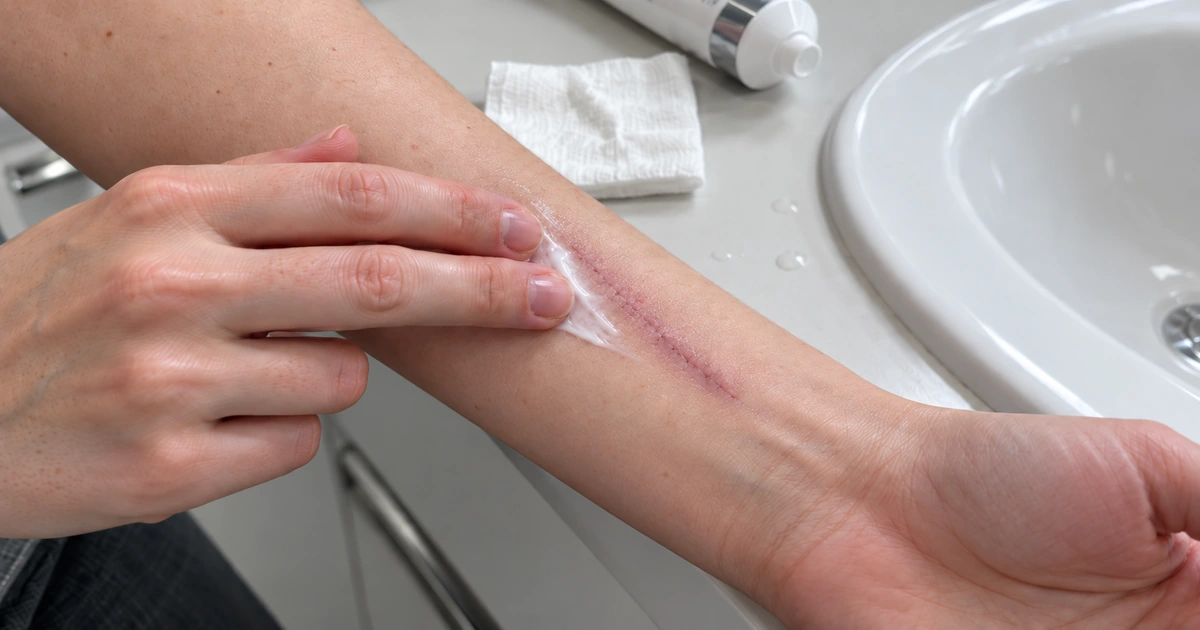
A dressing, stitches, skin glue, or an incision can be affected by pulling, rubbing, moisture and accidental impact. Pressure over a wound can cause pain and bruising. Wetting a wound before it has healed can damage new skin, reopen the area and allow infection to enter.
Treat discharge advice and activity restrictions as important parts of your child’s aftercare.
If you have questions about your child’s care, you can arrange a consultation with Miss Jana Torres-Grau. Arrange a consultation
School can come before PE, playground play and other sport
A child may manage sitting in class before they are ready for PE or playground games. Classroom attendance involves less movement and fewer accidental knocks than football, climbing frames or rough play.
Use the activity itself to judge the risk:
- Classroom time involves sitting, walking between lessons and normal daily movement. Your child may still need practical support with bags, coats or crowded corridors if the wound site needs protection.
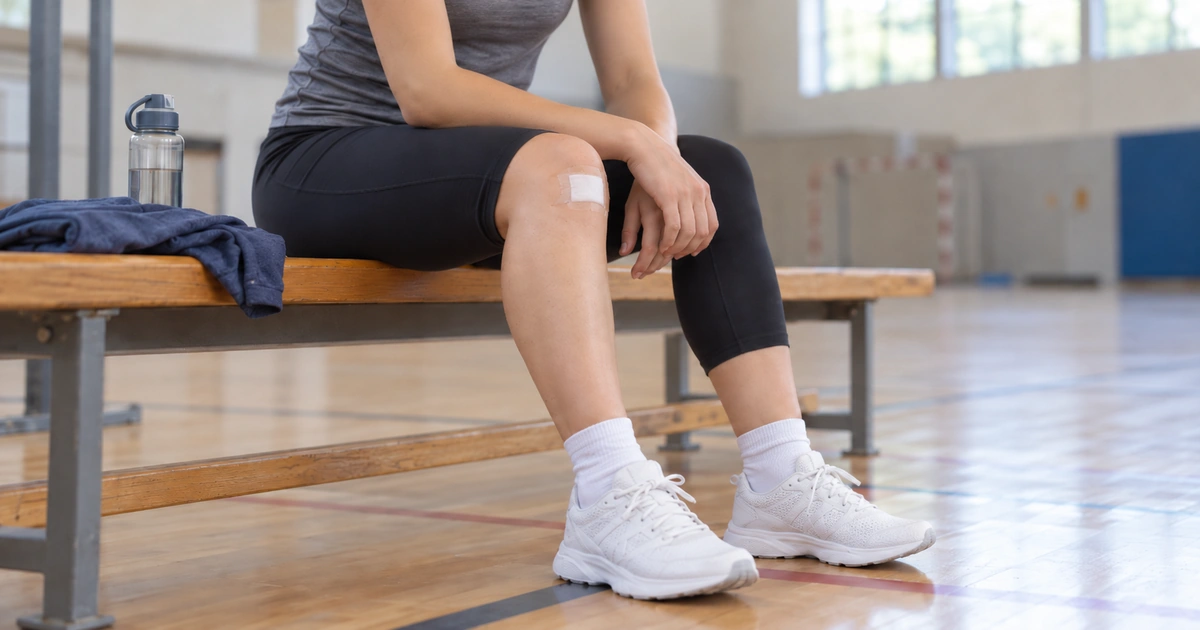
- PE can stretch a wound, rub a dressing or lead to an unexpected collision. The movements involved matter, especially after surgery on a hand or near a joint.
- Playground activity includes climbing, running and games with other children. A fall or sudden pull can affect a healing area even when the activity is informal.
- Cycling carries a fall risk. Handlebars, a helmet and the position of the wound all affect whether bike riding is suitable.
- Contact sport can damage the healing area through impact, so it needs its own advice from the surgeon. Football, rugby and martial arts each carry a different chance of a knock to the wound.
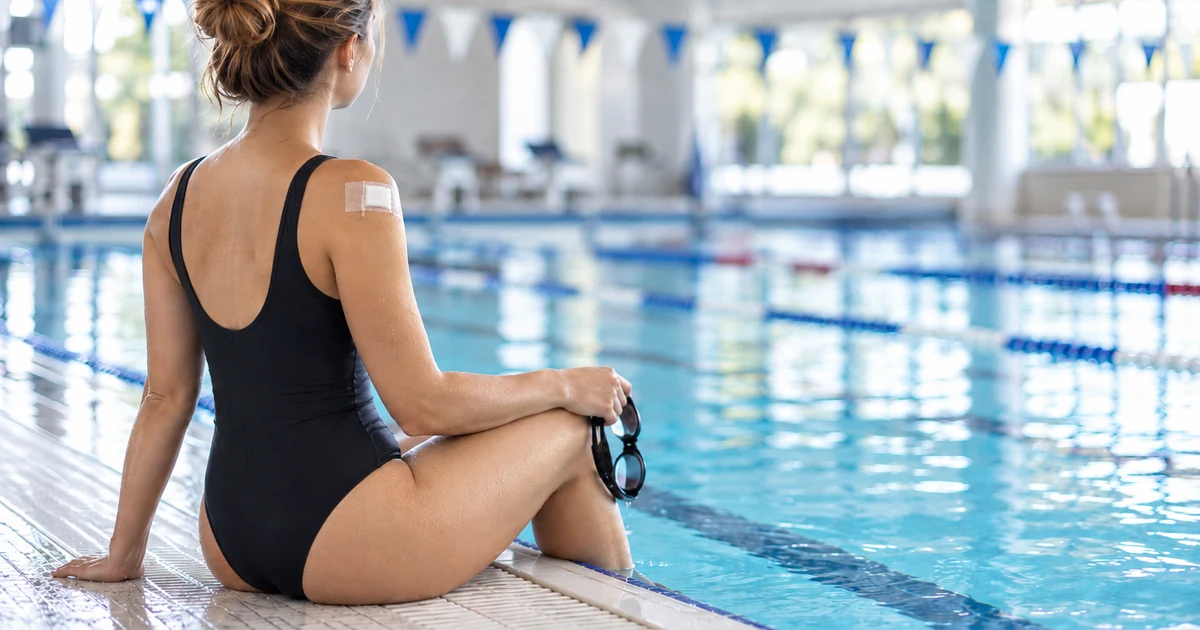
- Swimming will soak the wound, it needs to be healed enough to withstand that. Too soon, there will be a risk of infection.
Your child’s written recovery advice sets out which of these steps can restart when.
A few words from Miss Jana Torres-Grau
Keep the written recovery plan available when speaking with the school. It can help separate classroom attendance from PE, playground activity and contact sport.
The operation site changes the sport restrictions
Two operations described as minor can require very different activity restrictions. The operation name gives only part of the picture because the site, closure method and expected movement also matter.
Miss Torres-Grau gives each family written recovery guidance based on the operation, the wound site and the activities their child needs to avoid.
Ear correction needs protection from knocks and folding
Ear correction, also called pinnaplasty, reshapes prominent ear cartilage. Knocks, rubbing and folding can affect the operated cartilage and the wound.
Ear correction needs protection from water, knocks and contact sport for longer than a return to the classroom. The exact timings for swimming and sport follow the written plan for that operation.
Skin, hand and scar procedures depend on movement across the wound
Mole, cyst and lump removal can involve stitches, skin glue or both. The size, depth and location of the skin lesion affect the wound closure and activity advice.
Hand surgery needs particular care because everyday gripping, catching and falling can pull across the healing area. A wound near a joint moves repeatedly during ordinary tasks.
Scar revision may involve a small incision, release of a tight scar that limits movement, or a skin graft. A skin graft uses skin taken from another area to cover a wound. Each option needs its own restrictions while the treated skin settles.
Laser treatment needs procedure-specific aftercare advice
Laser treatment uses focused light to treat the skin. The activity plan depends on the area treated and the condition of the skin afterwards. Sun protection is imperative.
A few words from Miss Jana Torres-Grau
Check the wound itself before considering swimming. Dissolvable stitches or a waterproof plaster do not confirm that the skin has fully healed.
Swimming requires a fully closed wound
Swimming begins when the wound has fully healed. A fully healed wound has intact skin and can remain uncovered.
| Swimming setting | Water quality | What you need to check |
|---|---|---|
| Maintained chlorinated pool | Pool water is treated and monitored, although chlorine does not protect a healing surgical wound. | Check that the wound is fully closed and no longer needs a dressing. |
| Open water | Sea, lake and river water is untreated, so its quality changes with the weather and location. | Check that the wound is fully closed, then ask the surgeon whether the planned water setting adds any risk for your child. |
A 2014 review published in the BMJ found limited direct evidence for an exact swimming interval after a sutured wound. Complete wound closure remains the shared requirement for all water settings.
Dissolvable stitches can disappear before the skin has completed healing. Stitches that need removing come out before your child swims. A waterproof plaster also leaves the underlying wound vulnerable to water exposure.
The wound check after surgery is the right time to ask when swimming can start.

Nurse caring for child at Evelina London Children’s Hospital
A written plan
The right time to return to activities depends on the operation, the wound and what the activity involves. Activities such as PE, playground play, cycling, swimming and contact sport can place different demands on a healing wound through stretching, rubbing, impact or exposure to water.
Written recovery advice will therefore distinguish between everyday activities and those that may need to wait a little longer. It will take into account the wound location, how it has been closed, any dressings or wound checks required, and how healing is progressing.
As with any surgery, there is a risk of bleeding, infection, delayed healing and scarring. Appropriate activity restrictions help to reduce these risks while the wound heals.
Miss Torres-Grau personally assesses each child, performs the surgery and oversees their recovery through to final follow-up. You will be given clear guidance on when different activities can be resumed and whether any need to be delayed.
Rather than focusing on a single return-to-activity date, the advice is designed to help you understand what is safe for your child at each stage of their recovery.
Every child is different, so a personal assessment is the best next step. Ask a question
Common questions about activity after minor surgery
Can my child go back to school before PE?
Yes. School attendance and PE have separate return points. Sitting in class places different demands on a wound from running, team games and changing clothes.
Can my child swim once the stitches have dissolved?
No, not on that sign alone. Swimming can start once the wound has fully healed, with intact skin that can stay uncovered. Dissolved stitches do not confirm that the skin has completed healing.
How long should a child avoid football after surgery?
The right time depends on the operation and where the wound is, so no single figure applies to every child. Football involves running, falls and contact with other players, and the return point follows how much protection the healing wound needs.
Can my child ride a bike after a general anaesthetic?
No, not until the surgeon’s activity advice allows it. Cycling depends on wound healing as well as recovery from the anaesthetic. Falls, handlebars, helmets and the wound location all affect when bike riding suits your child.
Reviewed by Miss Jana Torres-Grau, Consultant Paediatric Plastic Surgeon, FRCS (Plast), General Medical Council Specialist Register.