
Is an online appointment enough for your child’s first consultation?
For a child’s first appointment, online is useful for discussing the history, looking at visible concerns, reviewing photographs, and planning whether travel is needed. In-person is better when I need to feel the area, assess movement, take measurements, or inspect detail closely. If online is not enough, I explain why and arrange the right examination.
A video appointment can be useful, but a surgeon cannot always replace a hands-on examination with a camera. The right choice is the format that gives enough information to make a safe next decision for your child.
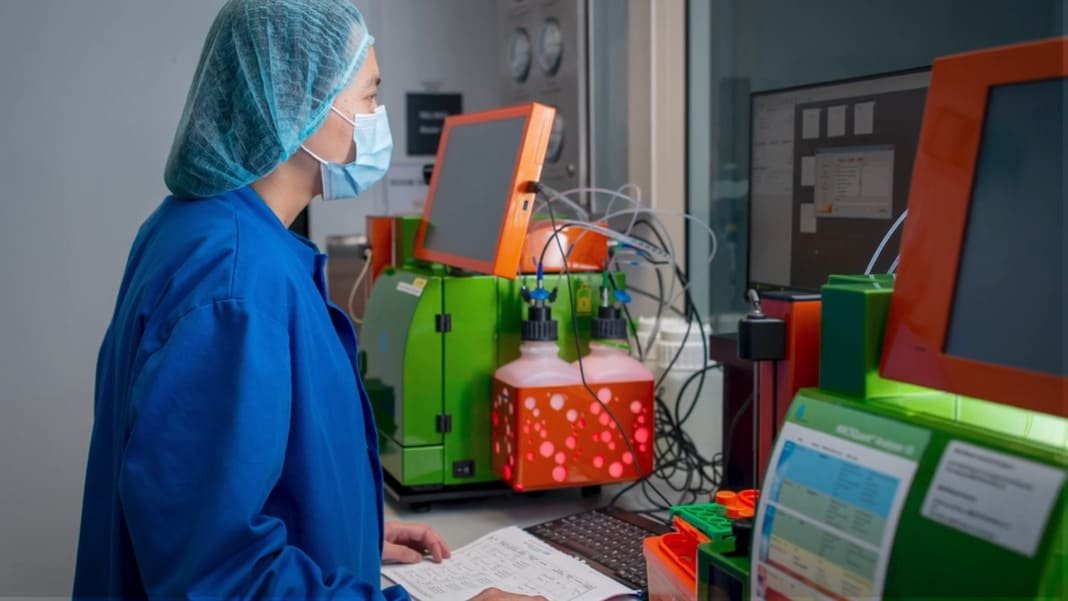
The safest choice follows the examination
Appointment format should follow what I need to examine, rather than simply what fits the diary. Online and in-person appointments both have a place in a first paediatric plastic surgery appointment, provided the limits are clear from the start.
National Health Service guidance describes a video consultation as an appointment using the camera on a smartphone, tablet or computer. In surgical care, the Royal College of Surgeons of England is clear that remote appointments are unsuitable where physical examination or close visual examination is needed.
In my work as Miss Jana Torres-Grau, Consultant Paediatric Plastic Surgeon, I start with the clinical question. Can I make useful progress through history, photographs and what I can see on screen, or does the answer depend on touch, movement and close inspection?
| Online first appointment | In-person first appointment |
|---|---|
| Best for early discussion, history and visible concerns | Best when a hands-on examination may change the advice |
| I can review photographs, listen to the history and ask focused questions | I can feel the area, assess movement and inspect detail closely |
| Lighting, camera angle and a child’s willingness to show the area can limit the assessment | Travel to London is needed, but the examination is fuller |
| Suits families outside London, elsewhere in the UK or overseas who need direction before travelling | Suits concerns where measurements, texture or function matter |
| The next step may be advice, monitoring, or an in-person review | The next step may be written advice, follow-up planning, or treatment discussion |
A limited examination by video can work in some situations, but it asks more of you and your child. A hand concern, for example, may need your child to move the fingers in a particular way on camera. If that movement cannot be seen properly, guessing is the wrong answer.
If you would like to know what to expect, you can arrange a consultation. Book a consultation
The online appointment gives early clarity
For families outside London, an online first appointment can avoid travel before anyone knows whether it is needed. That is especially useful when you want specialist input, but the next step is still uncertain.
An online child surgery consultation works well when the main job is to take a careful history, look at something visible, review existing letters, and talk through possible routes. Your child should still be available where the concern needs to be seen, and I may ask them to move the relevant area if that helps the assessment.
Online often works well when:
- The main need is to discuss the history and what has already been said.
- A visible concern, such as a scar, ear shape, birthmark or skin change, can be shown clearly enough to start an informed discussion.
- Your family lives outside London or overseas and wants to know whether travel to Evelina London Children’s Hospital is likely to be needed.
- You have existing letters or photographs that can help me understand the background.
- You want to organise your questions before deciding whether an in-person review is the better route.
Miss Torres-Grau offers first appointments online and in person, with consultations available in English and Spanish. After the appointment, I send a clinic letter and a written quote if further treatment is being considered.
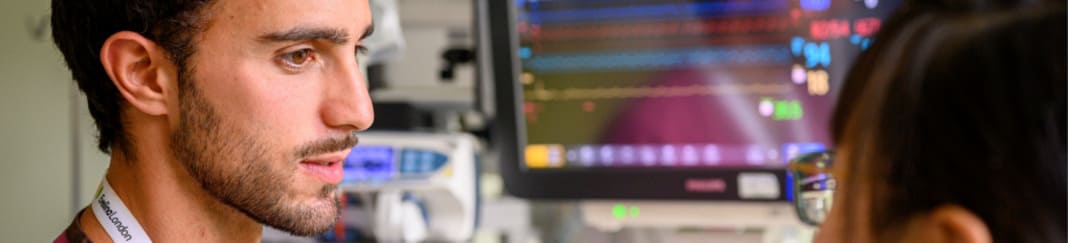
A few words from Miss Jana Torres-Grau
Have photographs ready before an online consultation if the concern is visible. Clear images often help the first discussion and reduce delays in deciding whether travel is needed.
The in-person appointment matters for detail
Some concerns look simple on screen until the missing information is touch or movement. In-person assessment gives me the information a camera cannot provide reliably.
Texture, depth, firmness and tenderness are physical findings. A photograph can show colour and shape, but it cannot tell me how a scar feels, how deep a lump sits, or whether a movement is restricted in a way that matters. For hand concerns, movement can also be easier to assess in the room because I can guide the child and repeat the movement from different angles.
In-person is the better first choice where close inspection or measurement may alter the advice. That includes some scar assessments, some birthmark or laser treatment discussions, some ear concerns, and some reconstructive planning. I am not naming those categories to diagnose your child from a page. I am showing the kind of information that can change a clinic decision.
Children also vary in how they manage a video call. Some show the area easily. Others find the camera awkward, move away, or cannot follow instructions on screen. In a room, I can slow the assessment down and adapt it around the child’s comfort.
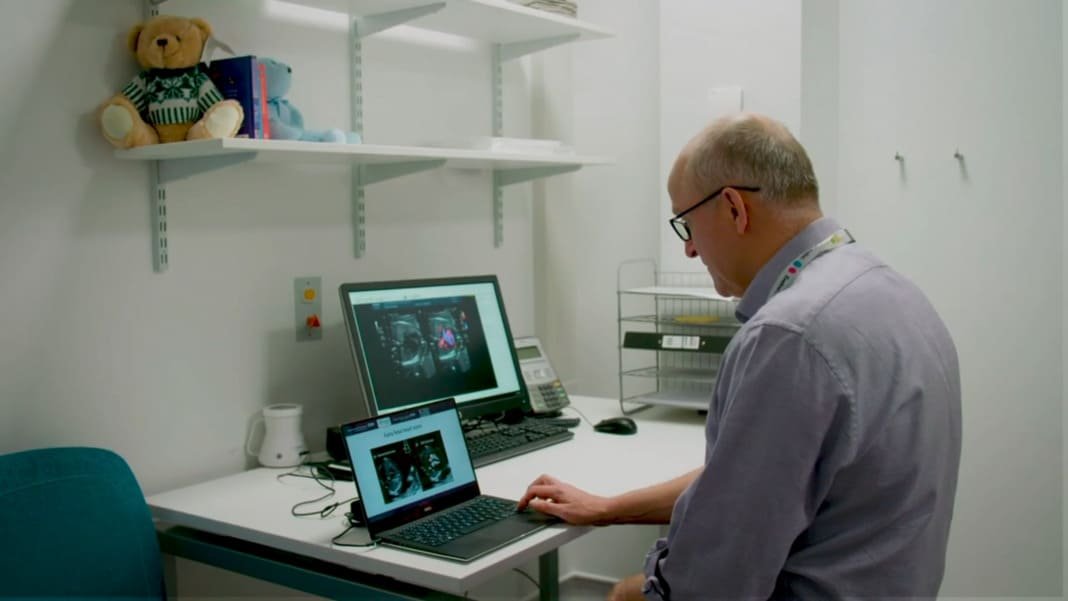
The right preparation improves either format
Good preparation makes the first appointment more useful, whichever format you choose. The aim is simple: give me the clearest background and make it easier to see what needs to be seen.
- Gather previous clinic letters, any general practitioner, or GP, referral if you have one, and key dates. A GP referral is helpful, but it is not needed for a private consultation.
- Prepare clear photographs if you have been asked for them. Photographs can support the discussion where the concern is visible, but they do not replace every examination.
- Write down your main questions. Parents often think of the best question after the appointment, so a short note helps keep the conversation focused.
- Set up the video appointment properly if you choose online. You need a device that allows video calling, an internet connection, and a well-lit, quiet, private space.
- Have your child present where the concern needs to be seen. Clothing should allow the relevant area to be shown appropriately, and your child should be comfortable enough to take part.
- Keep backup contact details available. If a video call fails or the signal drops, the appointment can be continued another way or rearranged if needed.
Identity checks, consent for a virtual consultation and written records are routine parts of a properly run appointment. They should sit in the background, so you can focus on your child and the question you came to ask.
A few words from Miss Jana Torres-Grau
If the concern involves movement, texture, or depth, an in person appointment usually gives more useful information. That is especially true when a camera cannot show the detail clearly.
First appointments need a plan that can last
A first appointment should give you more than a brief opinion on a screen or in a clinic room. It should set out what is known, what still needs to be examined, and what the next decision depends on.
Continuity matters here. With Miss Jana Torres-Grau, the same consultant sees the child and family from consultation through any procedure and follow-up. That matters because the first conversation, the examination findings and the later plan stay connected.
I see children and young people from birth to 18, and I am on the General Medical Council specialist register for plastic surgery. Those details matter less than the practical result for you. The appointment format should serve the child’s assessment, not the other way round.
Over the next 12 to 24 months, online access will keep helping families begin specialist care without unnecessary travel, especially across the UK and overseas. The real standard will be knowing when remote assessment has done its job and when a child needs to be examined in person.
Questions before your visit are always welcome. Get in touch
Questions parents ask me about online and in-person first appointments
Does my child need to be there for an online appointment?
Yes, where the concern needs to be seen or movement needs to be assessed. Your child should be comfortable, visible and able to show the relevant area if that is appropriate for their age and the concern.
Do I need to send photos before an online consultation?
Photographs can help where the concern is visible, especially for discussion and planning. They do not replace every examination, and treatment is not planned from photographs alone when a physical assessment is needed.
Do I need a GP referral for a private consultation?
No GP referral is needed for a private consultation. A referral is helpful if you already have one, because it gives me useful background before we meet.
How much is a first consultation with Miss Torres-Grau?
The private consultation fee is £250. After the appointment, I send a clinic letter and, where further treatment is being considered, a written quote.
Can we start online if we live outside London or overseas?
Yes, an online first appointment can help families outside London or overseas start the discussion before deciding whether travel is needed. If an in-person examination is needed, I explain why.
This is general information, not medical advice.
