What should you know first about raised or keloid scars in your child?
A raised scar in a child may be normal healing, a hypertrophic scar, a keloid scar, or a tight scar affecting movement. The key signs are whether it stays within the wound, grows beyond it, itches, hurts, or restricts movement. I need to examine it before naming it.
Below, I explain the scar types, what parents can watch, and how treatment decisions are made.
By and reviewed by Miss Jana Torres-Grau, Consultant Paediatric Plastic Surgeon, FRCS (Plast), General Medical Council Specialist Register.
Raised scars, hypertrophic scars and keloids are different things
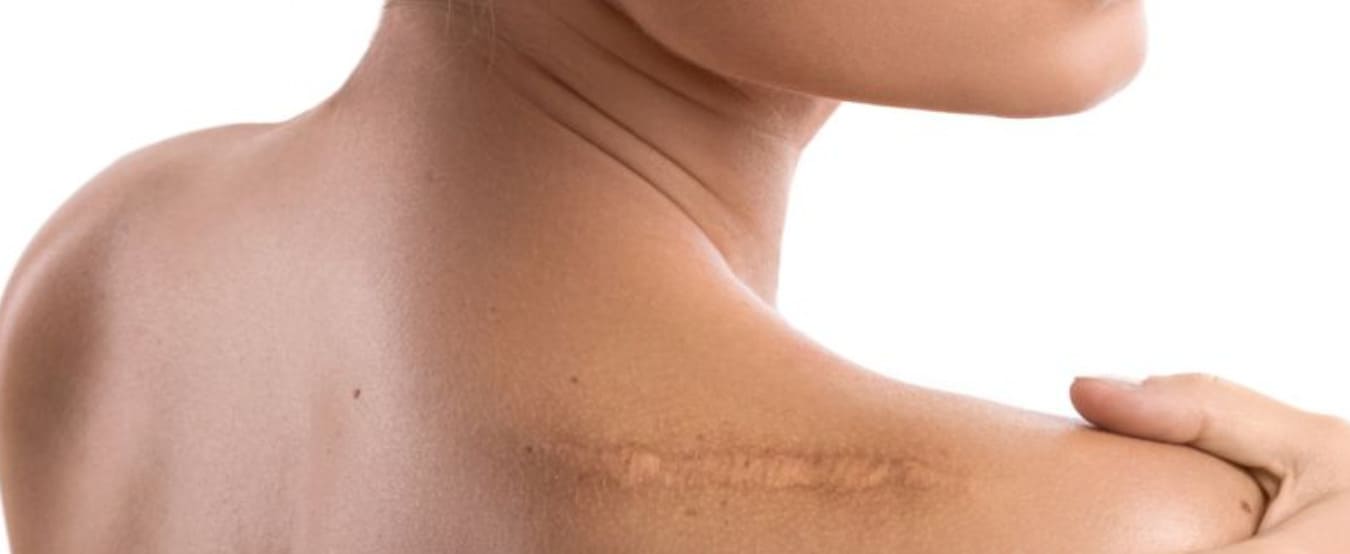
The names get mixed up, and that matters because different scars behave differently. A raised scar is a broad description. Hypertrophic and keloid scars are more specific types of raised scar tissue.
| Hypertrophic scar | Keloid scar |
|---|---|
| Stays within the original wound area. | Grows beyond the original wound area. |
| Feels raised, thick, or firm. | Can feel raised, hard, smooth, or shiny. |
| May become less noticeable with time. | Does not usually flatten or fade without treatment. |
| Can itch, hurt, or feel tight. | Can itch, hurt, grow for months or years, and become larger than the first wound. |
Colour alone does not settle the question. A scar may be pink, red, brown, darker than nearby skin, or close to the child’s usual skin colour. The edge of the original wound gives a better clue, but examination gives the proper answer.
A contracture is another pattern I look for. This means tight scar tissue is pulling on the skin and affecting movement, especially near a joint or another moving area. In that situation, function matters as much as the scar’s appearance.
If you would like to discuss scar treatment for your child, a consultation is the place to start. Arrange a consultation
Scar behaviour matters more than the first look
A very visible scar may be stable, and a smaller scar near a moving area may need closer attention. I ask parents about change over time because growth, itch, pain, tightness and movement tell me more than a single photograph.
The National Health Service, or NHS, describes keloids as able to appear a few weeks to years after skin damage such as a cut, burn, acne, surgery, or body piercing. Keloids can develop in several sites, including ears, chest, shoulders, chin, neck and lower legs.
During a scar assessment, the details I ask about include:
- What caused the scar, such as an injury, burn, operation, acne, or piercing.
- How the scar has changed since the skin healed. A scar that is spreading past the original wound raises a different question from one that is thick but contained.
- Symptoms such as itch, pain, tenderness, tightness, or sensitivity.
- Where the scar sits on the body and whether it affects movement.
- Previous scars in your child or family members, especially scars that became raised or kept growing.
If a scar is swollen or painful, feels warm to touch, or has pus coming out, the NHS advises urgent GP help or NHS 111. That is separate from scar treatment planning and needs attention as a possible infection.
A few words from Miss Jana Torres-Grau
A scar that stays inside the original wound edge usually points towards hypertrophic healing, while a scar that spreads beyond it raises concern for keloid behaviour.
Treatment is planned around the scar, not the label alone
When treatment is considered, the first question is what the scar is doing. A raised scar that is thick but stable, a keloid scar that is growing, and a tight scar that restricts movement need different discussions.
Non-surgical treatment choices
Non-surgical treatment may include scar tape, silicone gel, silicone tape or sheets, pressure clips or pressure dressings, steroid injections, laser treatment, or cryotherapy, which means freezing treatment. These are possibilities, not items for a parent to choose from a list at home.
I match the plan to the scar type, site, symptoms, growth pattern, and the child in front of me. Laser treatment, for example, has a different role from pressure treatment or steroid treatment. A useful plan starts with the scar’s behaviour.
Surgery has a clear limit
Scar revision surgery can remove or reposition scar tissue and close the wound with stitches. A new scar will then grow. That point needs saying plainly because scar revision cannot make skin look as if no scar ever existed.
For keloid scars, surgery needs particular care. The NHS says surgery to remove a keloid is not usually recommended because it is likely to grow back bigger. If keloid behaviour is suspected, I discuss that risk before any decision about surgery.
Risks of scar revision include bleeding, infection needing antibiotics, and fluid under the skin that needs drainage. Skin colour can change, the scar may not improve as expected, numbness or pain can remain around it, and in rare cases the scar can be larger than before.
Improvement means a realistic change
Treatment aims to improve symptoms and appearance where that is achievable. It may reduce thickness, itch, discomfort, tightness, or how noticeable the scar is. The right plan also accepts limits, because a scar cannot be erased completely.
My assessment of a child’s raised scar in London is orderly
During an examination, I look first at where the scar sits, where the old wound edge was, and whether the scar has stayed inside that boundary. I also check texture, symptoms, and movement because the scar’s behaviour directs the advice.
I am Miss Jana Torres-Grau, a Consultant Paediatric Plastic Surgeon, and I assess children and young people with scars at Evelina London Children’s Hospital. Families come from London, across the UK and overseas, and a first appointment can be in person or online.
- I start with the story of the scar. I ask what caused it, when the skin healed, and what has changed since then.
- I examine the scar itself. The boundary, thickness, surface, colour and site all matter.
- Movement comes next. I check whether the scar pulls, tightens, or limits normal use of the area.
- I ask about previous scars. Past scar behaviour can help judge the risk of more raised scarring.
- I explain the choices clearly. The answer may be non-surgical care, monitoring, surgery, or a clear view that surgery is not the right step.
Continuity is part of how I work. I assess your child myself and, if surgery is agreed, I carry it out myself. I also say clearly when a non-surgical plan is safer or more sensible for the child.
A few words from Miss Jana Torres-Grau
Movement matters most when a scar sits near a joint or another area that stretches, because tight scar tissue can affect function as a child grows.
Scar behaviour over time will decide what matters next
Over the next 12 to 24 months, the useful record is simple: whether the scar stays within the old wound, grows past it, causes symptoms, or limits movement as your child grows. Activity changes with age, so movement around scars will matter more, especially where a scar sits near a joint or an area that stretches.
Scars behave differently in children, so a personal assessment is helpful. Ask about an appointment
Questions parents ask me about children’s raised scars
Is my child’s raised scar a keloid?
A raised scar may be a keloid, but it may also be a hypertrophic scar, normal healing, or a tight scar affecting movement. A keloid grows beyond the original wound area, and examination is needed before that label is used for your child.
What is the difference between a keloid scar and a hypertrophic scar?
A hypertrophic scar is raised or thick but stays within the original wound area. A keloid scar grows beyond the original wound and does not usually flatten or fade without treatment.
Will a keloid scar on a child go away?
A keloid scar does not usually flatten or fade without treatment. It can also grow for months or years, so I look at the pattern over time as well as the scar’s appearance on the day.
Can keloid scars be removed in children?
Treatment can improve a keloid scar, but it cannot remove every trace of scarring. Surgery creates a new wound and a new scar, so it needs careful discussion where keloid behaviour is present.
Can surgery make a keloid scar worse?
Yes, surgery can make a keloid scar worse in some situations because the new wound can form more keloid scar tissue. That is why surgery for a suspected keloid needs careful assessment rather than a simple removal plan.
This is general information, not medical advice.
