
What does recovery look like after your child’s plastic surgery?
Recovery has two parts: short-term effects from the general anaesthetic, which settle within hours or days, and healing of the wound, which runs for weeks. The exact day-by-day plan depends on the operation, so the written instructions for your child’s procedure set the timings for dressings, washing, school and activity. Contact the surgical team through the route in your discharge paperwork if you notice a warning sign.
This guide follows recovery in the order families experience it, from waking after surgery to the first follow-up.

Paediatric plastic surgery hospital care for children
A reliable recovery guide
Children’s plastic surgery recovery follows a pattern, yet each child’s recovery has its own course. A 2026 cohort study published in Anaesthesia followed 444 children and young people aged 0 to 18 after surgery. Pain followed different patterns linked to age, the type of surgery and patient and family factors. Some children still reported some pain weeks after surgery.
A general guide helps you prepare for home care and recognise which instructions matter. Your child’s written postoperative instructions set the timing for dressing care, washing, nursery, school and physical activity.
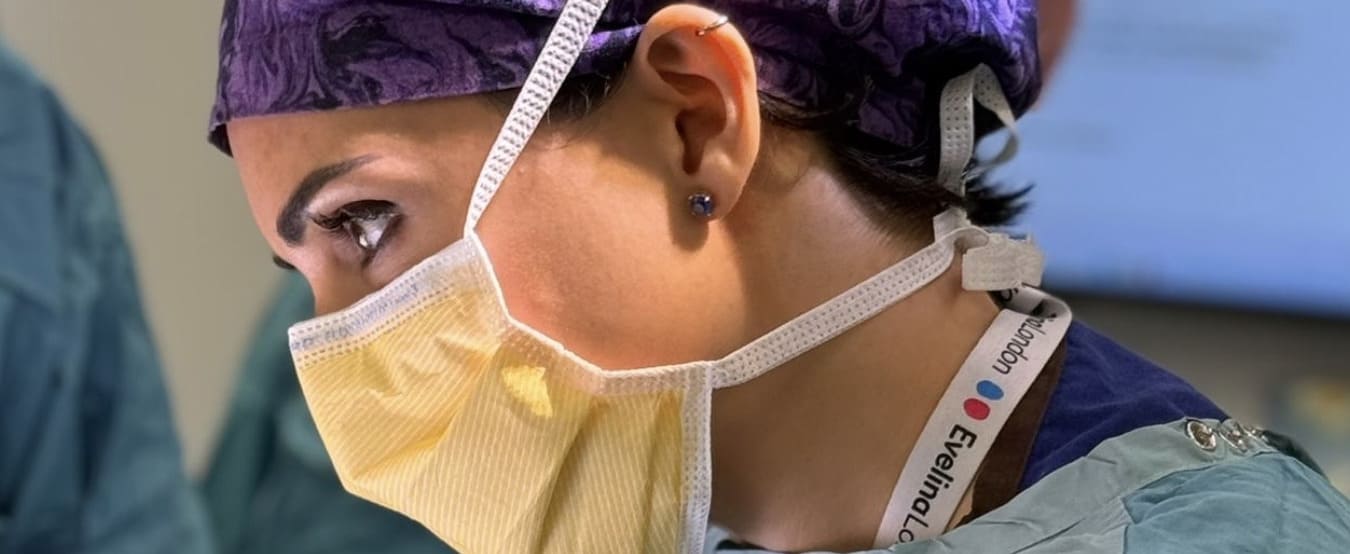
Miss Torres-Grau assesses your child, performs the operation, provides the recovery plan for that procedure and sees your child at each follow-up.
What to expect in the first hours and the first night
A general anaesthetic is medicine that keeps your child asleep for surgery. Your child wakes in a recovery room, where trained staff monitor comfort and give further pain relief or anti-sickness medicine when needed. Parents are generally called when their child is awake and comfortable.
Some children wake sleepy, unsettled or nauseated. A sore throat, sickness and confusion can also happen after a general anaesthetic. The Royal College of Anaesthetists says that upset or agitation on waking may last around 30 minutes and occasionally longer.
Recovery staff assess pain alongside other possible causes of distress. The surgeon and anaesthetist may discharge your child on the day of surgery when they consider home recovery safe.
This table separates short-lived anaesthetic effects from care of the operation site.
| Recovery area | What parents may notice | What happens at home |
|---|---|---|
| General anaesthetic | Sleepiness, nausea, sickness, sore throat or upset on waking | Follow the discharge advice for food, drink, comfort and overnight care |
| Surgical wound | A dressing or covering over the operation site | Watch the dressing and the skin around it, and follow the written plan for washing |
| Pain relief | A need for medicine advised by the clinical team | Use the medicine plan supplied for your child and procedure |
The discharge plan governs the first night after surgery.
If you have questions about your child’s care, you can arrange a consultation with Miss Jana Torres-Grau. Arrange a consultation
Plan the first week around home care
The first week involves practical checks and preparation for a return to ordinary routines. Comfort, food and drink, sleep and wound care all follow the instructions given for your child’s operation.
Dressing type, wound location and the operation itself decide the details for each child.
- The journey home and evening of surgery. Your child may still be drowsy or off their food. Offer small drinks and light food as the discharge advice allows, and let them rest.
- The first morning. Give pain relief as the written plan sets out. Suitable children’s pain medicine may include paracetamol or ibuprofen where the clinical team advises it.
- The following days. Watch how your child eats, drinks, sleeps and settles. Activity follows the written plan, even on days your child seems back to normal.
- Dressings and washing. Keep the dressing clean and dry unless your child’s instructions say otherwise. Showering, bathing and swimming each have their own point in the written plan.
- Nursery, school and activity. The written plan gives one return date for the classroom and a separate one for PE, running, cycling or contact sport. The operation site and the protection the wound needs decide both.
- The period before follow-up. Keep the written plan with your discharge paperwork so the wound-check date and contact route are easy to find.
Ear correction: ear surgery has its own dressing, washing and activity plan, including how to protect the ear from knocks and rubbing while it heals.
Scar care: scar surgery and scar treatment need separate advice on wound care and on protecting the healing scar from sun.
The confirmed postoperative instructions decide the timing for washing, dressings, school and activity.

Paediatric plastic surgery treatment for ankle injuries
A few words from Miss Jana Torres-Grau
Keep the discharge paperwork and medicine plan together in one place. Use the written instructions for dressing care, washing, school and activity because timings vary by procedure.
Changes after surgery need prompt clinical advice
Safety-netting means recognising a change and seeking advice, without needing to decide first what the change means. Ask the surgical team for guidance whenever a symptom worries you.
Contact the surgical team if you notice:
- A dressing that becomes wet, comes off, bleeds through or has fluid coming through it.
- Wound smell, pus or watery discharge.
- Severe swelling, hardening of the skin or spreading colour change around the wound.
- Fever, feeling hot or shivery, or discomfort that remains uncontrolled by the advised medicine.
- Poor eating or drinking after surgery.
Wound colour forms only part of the assessment. Infection-related colour change may look red on white skin and red or purple on brown or black skin, so warmth, swelling and discharge matter as much as colour.
Miss Torres-Grau reviews any concern raised after her operations, and the contact route is in your discharge paperwork.

Child-focused paediatric plastic surgery clinic consultation
A few words from Miss Jana Torres-Grau
Contact the surgical team promptly if a dressing becomes wet, comes off, bleeds through or develops discharge. Use the contact route supplied with the discharge paperwork.
Common questions about children’s plastic surgery recovery
Is it normal for a child to be upset after a general anaesthetic?
Yes, some children wake confused, distressed or agitated after a general anaesthetic. Recovery staff assess whether pain relief, anti-sickness medicine or another response is needed. The discharge advice explains what applies once your child is home.
When does the dressing come off after children’s plastic surgery?
The dressing-removal date depends on the operation, wound location and dressing used. Your child’s own written plan sets the relevant timing, usually at the first wound check.
When can my child go back to nursery, school or sport?
Return to nursery, school and sport follows the procedure-specific plan. The operation site, dressing and activity restrictions decide when routine activities can resume.
Does going home mean my child has finished recovering?
No. Going home begins the recovery period at home. Wound care, activity limits and follow-up continue under the plan for your child’s operation.
This is general information, not medical advice.
Reviewed by Miss Jana Torres-Grau, Consultant Paediatric Plastic Surgeon, FRCS (Plast), General Medical Council Specialist Register.
Every child is different, so a personal assessment is the best next step. Ask a question