How should you care for your child’s burn scar after healing?
Burn scar care for children starts once the skin has fully healed. Use a plain, non-perfumed moisturiser, massage with the technique advised for your child, and protect the skin from the sun. Silicone and pressure garments are chosen through an individual scar plan. Keep an eye on comfort, sleep and movement.
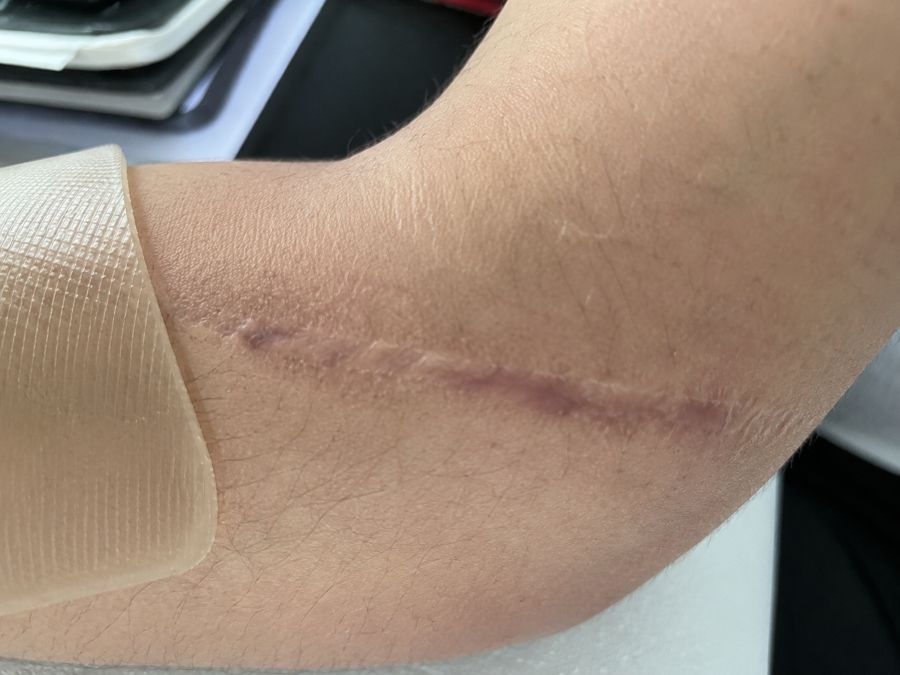
Start your child’s routine scar care after healing
Fully healed, intact skin provides the starting point for scar care. Keep any open, blistered, weeping or broken area free from massage and scar products. Instructions from your child’s burns team, occupational therapist or scar therapist take priority over general advice.
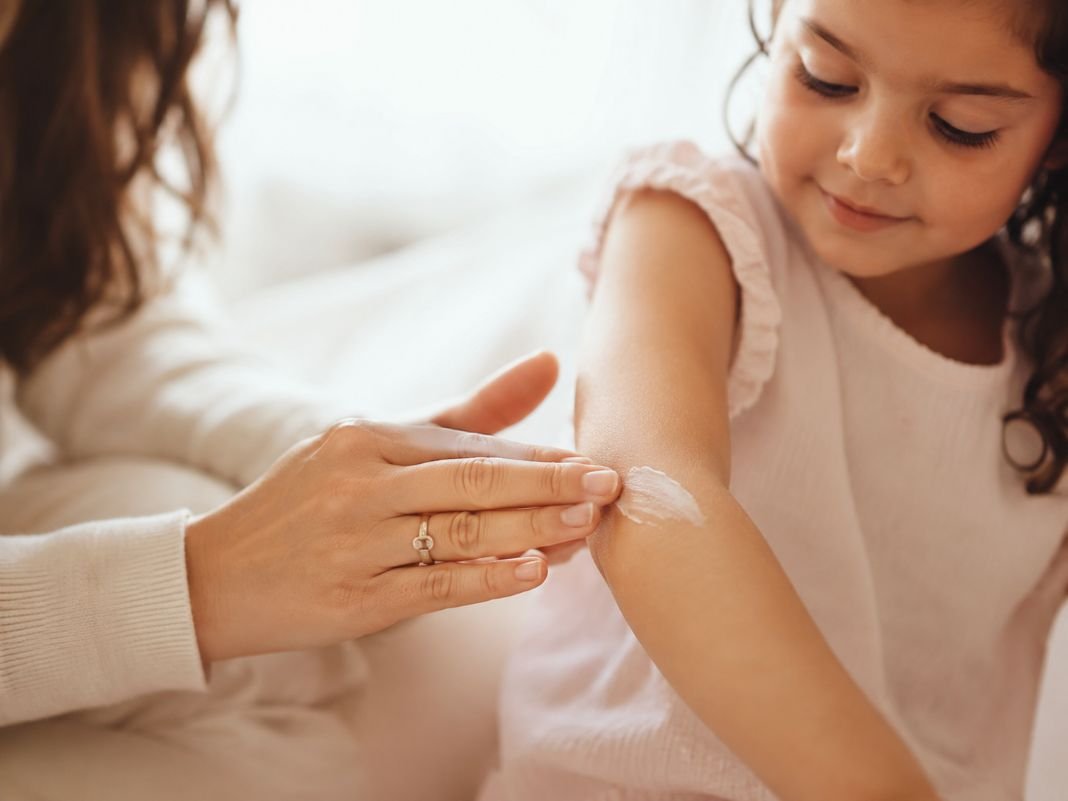
Healed burn skin can remain dry and itchy because the burn may have damaged the glands that produce sweat and oil. A thick, plain, non-perfumed moisturiser reduces dryness.
- A plain, non-perfumed cream eases dry or itchy healed skin. Apply it regularly.
- Massage uses firm, small circular movements over fully healed skin. Your child’s occupational therapist or scar therapist shows you the right pressure and adapts the technique to the scar site.
- Cover exposed skin and use SPF 50+ sunscreen, since sun exposure can cause lasting colour change in healed burn skin. Pressure garments do not provide reliable sun protection.
Stop massage if the area becomes sore, blisters or reopens. The scar’s location and size guide how often massage is used, so a fixed online timetable will not suit every child.
If you would like to discuss scar treatment for your child, a consultation is the place to start. Arrange a consultation
Silicone and pressure garments need a scar plan
Silicone and pressure garments are specialist scar treatments. A burns therapist or scar therapist selects them after assessing the scar, its position and its effect on your child.
Silicone is chosen for the scars that need it
Silicone comes as gel, spray, stick or sheet. It is used only on fully healed skin, as part of an individual treatment plan. A scar therapist selects the product, explains how your child should use it and advises when to start.
Pressure garments require fitting and review
Pressure garments are elastic garments worn over scarred skin. Many are made to measure to fit the scarred area properly.
A pressure garment needs specialist fitting and monitoring. A burns or scar therapist arranges it, rather than it being bought online.
Silicone and pressure garments are widely used in burn-scar care, and research on how well they work is still limited. A 2021 randomised trial of 153 children, published in Clinical Rehabilitation, compared silicone gel, pressure garments and the two together. At 12 months after the burn, all three groups had similar scar thickness and itch, and no serious side effects were reported. Using both together gave no extra benefit. A 2024 Cochrane review found that pressure garments are standard care worldwide, although the evidence for them remains very uncertain. A therapist therefore matches the treatment to your child’s scar and reviews it over time.
Early PDL treatment for burn scars
Some burn scars become noticeably red, raised or firm as they heal. In selected cases, pulsed dye laser (PDL) can be used relatively early, once the burn wound has fully healed, rather than waiting for the scar to mature.
PDL targets the small blood vessels within a red, active scar. The aim is to reduce redness and vascularity and, in some children, improve the overall appearance and texture of the scar.
Treatment is usually considered when a scar remains particularly red or is becoming raised or firm. It is not necessary or appropriate for every burn scar, and the timing depends on how the wound and scar are developing.
Research suggests that treating suitable burn scars during the early healing phase can improve scar quality. However, the evidence is still developing, particularly in younger children, and early PDL cannot guarantee that a hypertrophic scar will be prevented.
PDL is usually performed as a course of treatments rather than a single session. The interval between treatments depends on the scar, its response and the child’s individual circumstances.
The scar will be assessed once the wound has healed to determine whether PDL is appropriate, when treatment should begin and whether other measures such as silicone, massage, pressure therapy or other laser treatments may also be helpful.
A few words from Miss Jana Torres-Grau
Apply moisturiser only to fully healed skin, and stop massage if the area becomes sore, blisters or reopens.
Raised or tight scars need review
A healed scar can still become thicker, less flexible or uncomfortable. Scar care needs review when those changes affect your child’s sleep, activity or movement.
A hypertrophic scar is a scar that becomes raised, red and firm or lumpy within the original scar edges. It may itch and feel less flexible than the surrounding skin.
A contracture is tightening scar tissue that restricts movement across or near a joint. Scars on the neck, armpit, elbow, hand, knee and foot need close attention. They can limit normal movement.
Seek specialist review when you notice:
- A scar becoming progressively raised, thick or firm.
- Tightness that affects normal activity.
- Reduced movement across a joint.
- Itch that disturbs sleep.
- A scar that crosses or sits close to a joint.
Miss Torres-Grau personally assesses each child in London and explains what the examination shows about how the scar moves and whether a revised plan would help.
Facial Burn Close Up – Illustrative Image
A few words from Miss Jana Torres-Grau
Check scars near joints during everyday movement. New tightness, reduced movement or itch that disturbs sleep needs specialist review.
Common burn-scar care questions
What moisturiser should I use on my child’s burn scar?
Use a thick, plain, non-perfumed moisturiser on fully healed skin. Your child’s burns team may suggest a suitable option if dryness or itching remains troublesome.
When can I start massaging a burn scar?
Begin massaging a healed burn scar only when the skin has fully healed and has no open or broken areas. Stop if the scar becomes sore, blisters or reopens.
Does silicone gel help a child’s burn scar?
The research does not give a clear answer. Silicone gel is chosen for selected healed scars as part of an individual plan from a burns or scar therapist, who checks how the scar responds.
Can a pressure garment replace sun protection?
No. Pressure garments do not provide reliable sun protection. Cover exposed scarred skin and use SPF 50+ sunscreen.
What should I do if my child’s burn scar itches at night?
Itch that disturbs sleep needs specialist review. The assessment should also check for progressive thickening, tightness and reduced movement.
Reviewed by Miss Jana Torres-Grau, Consultant Paediatric Plastic Surgeon, FRCS (Plast), General Medical Council Specialist Register.

Main entrance to Evelina London Children’s Hospital.
Scars behave differently in children, so a personal assessment is helpful. Ask about an appointment