Can laser treatment remove a café au lait birthmark?
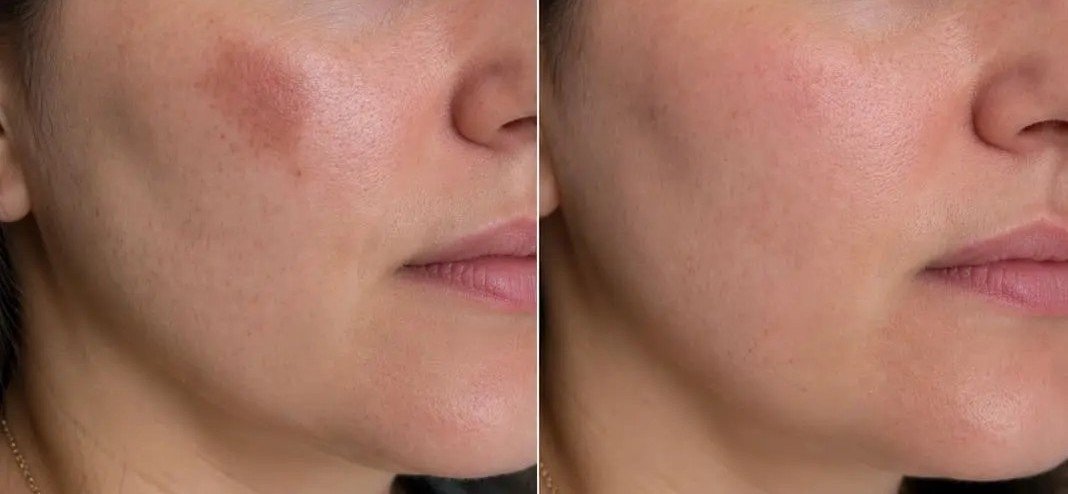
Not completely and not permanently. In some children, laser treatment can lighten a café au lait birthmark, and most treated marks become clearly lighter. Some may temporarily clear completely, although complete or permanent removal cannot be promised, and pigment can return. Café au lait marks are harmless, so treatment is a choice about appearance. The evidence, treatment process and your child’s skin type all shape that decision.

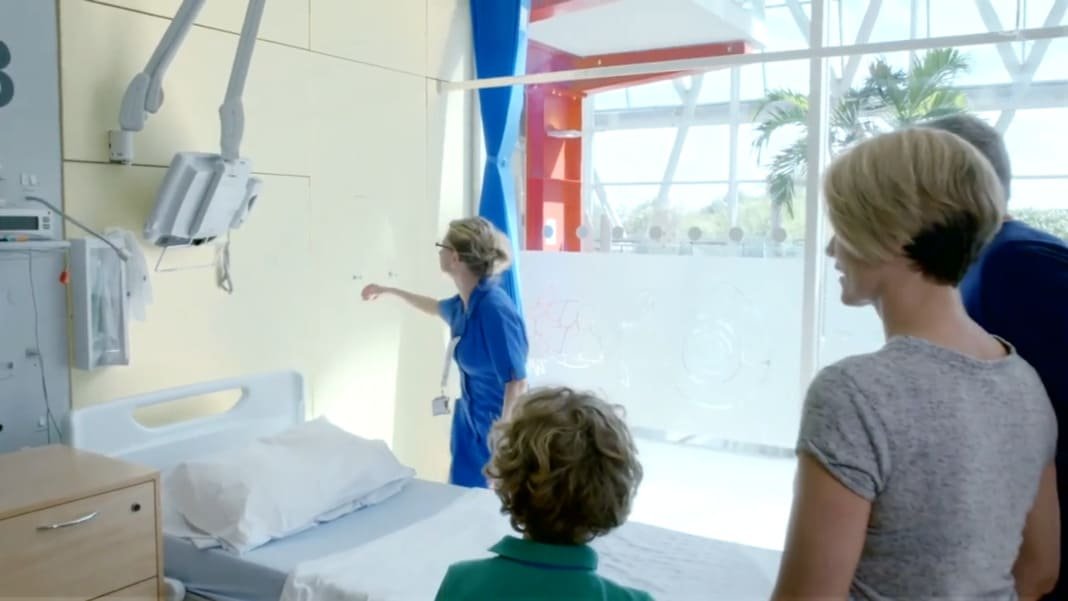
A photo of a consultation with Jana Torres-Grau – Illustrative Image
Café au lait marks are harmless patches that can grow with your child
A café au lait macule is a flat patch of skin that is darker than the surrounding area. “Macule” means a flat mark. These birthmarks are often light brown or tan, with even colour across the patch.
A mark may be present at birth or appear during infancy and early childhood. It can grow as your child grows, which can make it appear more noticeable over time.
A child with six or more café au lait marks is usually reviewed by a paediatrician. The review looks at the full picture before any diagnosis is made.
Laser treatment is a choice about how the mark looks, and a consultation helps you and your child decide whether it is worthwhile.
If you have questions about your child’s care, you can arrange a consultation with Miss Jana Torres-Grau. Arrange a consultation
Most treated marks become clearly lighter
During your child’s treatment, the laser targets pigment within the mark. Clearance describes how much of the visible colour fades after treatment. A mark with at least 50 per cent clearance has lost half or more of its visible colour.
A 2023 systematic review published in the European Journal of Medical Research, covering 19 studies and 991 patients, found that most treated marks lost half or more of their colour. Stronger fading was less consistent, and a smaller group of marks changed little. A 2019 study of 471 children, published in Lasers in Surgery and Medicine, found that some marks cleared completely.
| Evidence finding | What it means for a treatment decision |
|---|---|
| Partial clearance was the most consistent pooled finding | Most treated marks became lighter rather than invisible |
| Stronger fading was found less consistently | Some marks fade strongly, and the mark’s features help show how likely this is |
| The pooled recurrence rate was 13 per cent | Pigment may return after an initially successful treatment course |
These figures are the averages found by a 2023 review of earlier studies. They do not predict the result for one child or one mark.
A clearly lighter mark is the realistic aim, and the consultation is where you decide whether that would be worthwhile for your child.
A few words from Miss Jana Torres-Grau
Before seeking treatment, consider what degree of lightening would make the mark worthwhile for your child and family. This gives the consultation a clear focus.
Treatment plans vary by mark and skin type
No universal session number exists for café au lait laser treatment in children. Published studies use different laser types, settings and measures of success, so the diagnosis alone cannot define your child’s treatment course.
The 2023 review found that a mark’s shape, size, site and colour can all affect how it responds, and marks with jagged or irregular edges tended to respond better. These features form part of your child’s assessment. A small test treatment may help guide planning in some cases, because the early response shows how the mark reacts before a full course is agreed.
No laser category has proven best for every child. Q-switched lasers use very short bursts of energy, and picosecond lasers use even shorter pulses. Both have been studied for café au lait marks, with variable results.
Skin type guides planning rather than eligibility
Skin tone guides the laser settings and the discussion about pigment change. Darkening after inflammation is more common in richly pigmented skin.
Your child’s skin type is considered alongside the mark itself. Skin type does not determine the final result on its own, and children with darker skin can be treated with carefully chosen settings.
A child’s laser session needs planning for comfort and skin safety
Your child’s session is planned around the mark, with settings selected for the area being treated.
A typical published approach includes:
- The child has the mark checked and photographed before treatment.
- Numbing cream or local anaesthetic may be used, depending on the child, the treatment area and how comfortable they can stay during treatment.
- Protective covers shield the eyes during the laser pulses.
- The laser delivers short pulses to the pigment in the mark.
- Cooling is applied to the skin afterwards.
Pigment change: Laser treatment can cause treated skin to become darker or lighter. In the 2023 review, these changes were uncommon, and they are reported more often in richly pigmented skin. Miss Torres-Grau plans the settings with your child’s skin type in mind.
Scarring: Scarring is a reported risk of café au lait laser treatment. Current evidence does not provide a dependable patient-level rate for this outcome. It is discussed before treatment is agreed, so you can weigh it against the likely benefit.
A few words from Miss Jana Torres-Grau
Ask how your child’s skin type, the mark’s characteristics and the early treatment response will influence the plan. These factors can affect settings, sessions and the discussion of pigment change.
Your child’s assessment covers likely fading and treatment risks
The assessment shows whether laser treatment is a good fit for your child. The useful question is whether the likely degree of fading justifies repeat treatment, pigment-change risk and the possibility of recurrence. The starting point is the result your child and family would value.
A young person’s own view matters in an appearance-led decision. Miss Torres-Grau assesses your child herself and gives you an honest view of whether the likely benefit justifies laser treatment.
Families can have this assessment at Evelina London Children’s Hospital.

Illuminated Evelina London Children’s Hospital building at dusk in central London.
Every child is different, so a personal assessment is the best next step. Ask a question
Common questions about café au lait laser treatment
Can laser completely remove a café au lait birthmark?
Not commonly. More often the mark becomes clearly lighter, and a consultation shows whether that would be a worthwhile result for your child.
Does a café au lait spot come back after laser treatment?
Yes, in a majority of treated marks. Pigment can return after an initially good result, so this is part of the discussion before treatment starts.
How many laser sessions does a café au lait birthmark need?
There is no fixed number of sessions. The number depends on the mark, the laser settings, skin type and how the mark responds to early treatment.
Does my child need a general anaesthetic for laser treatment?
No, not always. Published studies often used numbing cream or local anaesthetic, and the right plan depends on your child and the treatment area. Your child’s plan is agreed at the consultation.
Can laser cause darker skin, a white patch or a scar?
Yes, all three are reported risks. Pigment changes are the most common of them, and each one is discussed for your child’s mark before treatment is agreed.
This is general information, not medical advice.
Reviewed by Miss Jana Torres-Grau, Consultant Paediatric Plastic Surgeon, FRCS (Plast), General Medical Council Specialist Register.